
American Tetras
American Tetras
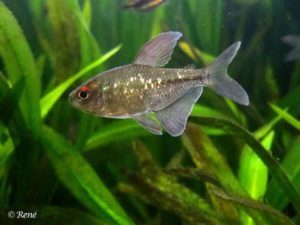
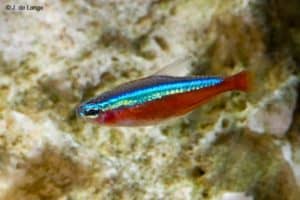
American Tetras are among the absolute favorites in the aquarium world. Whether you are just starting your first aquarium or have been keeping aquariums for years, chances are you have seen or cared for these fish. Well-known species such as the Neon Tetra, the Cardinal Tetra, and the Red-nosed Tetra belong to this large group.
These fish are known for their beautiful, often bright colors and lively behavior. They are true schooling fish that feel most comfortable surrounded by their own kind. They originate from the rivers and streams of South and Central America. Due to their generally peaceful nature and modest size, American tetras are perfect inhabitants for a community aquarium. In this article, you will learn everything about their origin, how to keep them healthy, and which species go well together.
Name and meaning
The scientific name of this family is a real tongue twister: Acestrorhamphidae. This name was first described in 1907 by the renowned ichthyologist (fish expert) Carl H. Eigenmann. He originally used the name for the genus Acestrorhamphus, but nowadays the entire family is referred to by this name.
The meaning of this difficult name is derived from Ancient Greek. It is a combination of two words:
Akestra (ἄκεστρα): This means “needle” (specifically a needle used to close holes).
Rhamphos (ῥάμϕος): This means “curved beak” or “mouth.”
Together, the name probably refers to the specific, pointed shape of the mouth seen in the species originally described.
A new family
It is good to know that the classification of these fish has recently undergone a major overhaul. For years, almost all of these small schooling fish belonged to the enormous family of Characidae (Characidae). However, recent DNA research in 2024 showed that this group is so diverse and genetically different that they have been split up. American Tetras now form their own official family.
Characteristics
When you think of a typical aquarium fish, chances are you picture an American tetra. Although there are hundreds of species that all look slightly different, they share a number of distinct characteristics that make them easy to recognize.
The famous adipose fin
The most typical characteristic of almost all American Tetras is the so-called adipose fin. This is a very small, fleshy fin located on the back, exactly between the large dorsal fin and the caudal fin. Almost all species within this family have this fin, which distinguishes them from barbs or danios, for example.
Body shape and color Most species are fairly small and streamlined.
- Shape: They often have an elongated or diamond-shaped body that is ‘flattened’ at the sides. This makes them agile in the water.
- Color: This is what they are really known for! Many species have bright, iridescent (shimmering) colors. Think of the bright blue stripe of the Neon Tetra or the deep red head of the Red Nose Tetra. These colors help the fish recognize each other in dark water and keep the school together.
- Teeth: Did you know that these fish have teeth? The name ‘Tetra’ indirectly refers to this (related to the jaw structure). Don’t worry: most species are harmless to other fish, but they do use their teeth to catch insects and small food items.
Size and gender differences
Most species that we keep in aquariums remain modest in size. They grow to an average size of between 3 and 6 centimeters. However, there are exceptions that grow larger, so always pay attention to this when purchasing.
The difference between males and females is sometimes difficult to see when they are young. In adult animals, the females are often slightly larger and, above all, fuller and rounder in the belly, especially when they are carrying eggs. The males are generally slimmer in build and sometimes slightly brighter in color.
Origin
The name says it all: American Tetras come from the American continent. Their distribution area is enormous. They are found from the southwestern United States to the temperate climate of Argentina. However, the most popular species that we keep in our aquariums come from the tropical regions of South and Central America.
The Amazon and river systems
The heart of their habitat lies in the enormous Amazon river basin in countries such as Brazil, Peru, and Colombia. They are also common in the Rio Orinoco and the Rio de la Plata.
The natural environment (biotope) In nature, these fish rarely live in open, bare waters. They prefer sheltered areas:
- Water: They live in slow-flowing streams, river branches, and flooded forests. Some species, such as the Kitty Tetra, like muddy bottoms in calm water, while others swim in clear, faster-flowing streams.
- Setup: Riverbeds are often littered with fallen leaves, branches, and tree roots. This decaying organic material often causes the water to take on a dark, tea-like color (we call this ‘blackwater’).
- Shelter: The abundance of aquatic plants and overhanging vegetation on the banks makes the fish feel safe from birds and larger predatory fish.
Due to their origin, these fish are accustomed to soft and acidic water, although many captive-bred specimens in stores can now tolerate regular tap water.
Behavior
American Tetras are known as active and lively fish. They are constantly on the move and bring a lot of life to the aquarium.
The most important thing to know about their behavior is that they are true schooling fish. In nature, they swim in schools of thousands. They do this for their safety: in a large group, they are less likely to be eaten by a predator.
If you keep these fish alone or with too few of their own kind, they will feel unsafe. They will become shy, lose their beautiful color, and hide constantly. Therefore, always keep them in groups of at least 6 to 8, but preferably many more (10-15+). The larger the group, the more natural their behavior and the more beautiful their colors.
Peaceful nature
In general, American Tetras are very peaceful. They leave other fish alone and are therefore ideal for a community aquarium. However, there are a few exceptions:
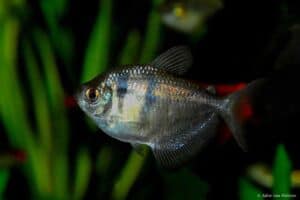
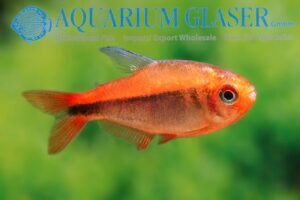
Fin nippers: Some species, such as the Black Arowana (Gymnocorymbus ternetzi) or the Red Rio (Hyphessobrycon flammeus), may sometimes nibble at the fins of other fish. This often happens when they are kept with too few of their own kind or when they are bored. Therefore, do not keep them together with fish that have long, graceful fins (such as Gouramis or angelfish), unless you have a very large school to keep them occupied.
You will mainly see these fish swimming in the middle layer of the aquarium. They sometimes shoot up to grab food, but rarely stay at the bottom for long.
Types of American Tetras
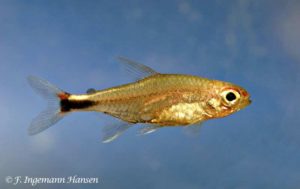
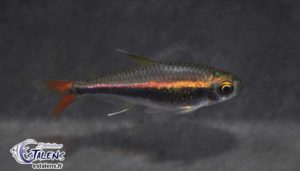
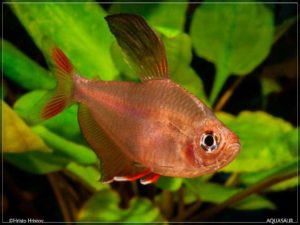
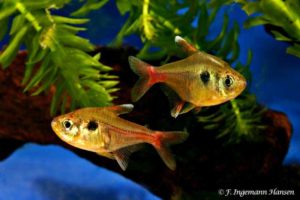
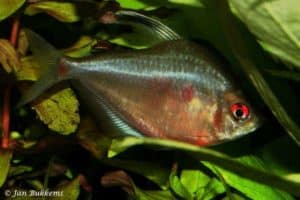
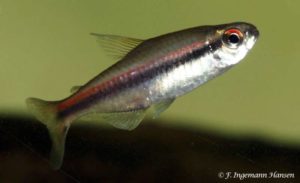
Below you will find the American Tetras that we have added to our database:

Showing all 41 results












Showing all 41 results


