Fish Don’t Drink: This article only proves one should put medication into the food and not into the water, if one is treating an internal disease of a fish.


Fish Don’t Drink: This article only proves one should put medication into the food and not into the water, if one is treating an internal disease of a fish.

Mouth rot is a patch of white stuff on a fish’s lips. As the disease advances it produces toxins that erode the lips of the fish. Advanced cases get very ugly and the fish can’t eat. Names for this disease include cotton-mouth, mouth fungus, and flexibacter.
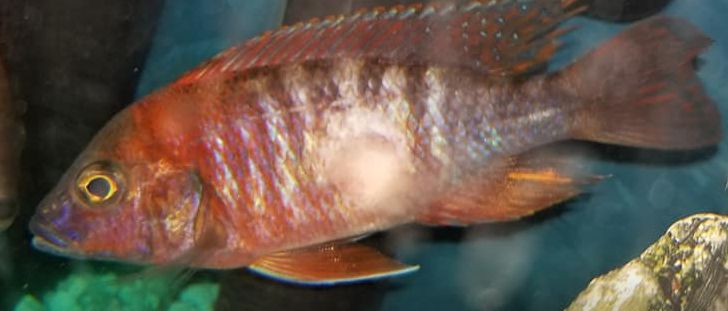
This article shows different skin kinds of skin ulcers in aquarium fish. Learn how to treat these skin ulcers.

Bacterial Infections in Fish: There are many ways and many bacterial species that attack tropical fish in the aquarium. These diseases move much faster than other pathogens and can kill fish rapidly.

There is a ciliated protozoan that attacks cichlid fish internally. It is called Cryptobia. There are many species of cryptobia with considerable differences in how they present themselves.

Tetrahymena is a single celled ciliated protozoan closely related to paramecium and epistylis. It can be very similar in appearance on the fish to columnaris, ich and epistylis.

A patchy greyish-white “beat up” look on the body with some spider-webbing and a roughened appearance is indicative of Chilodonella or Costia. This is often difficult to differentiate from bullying.
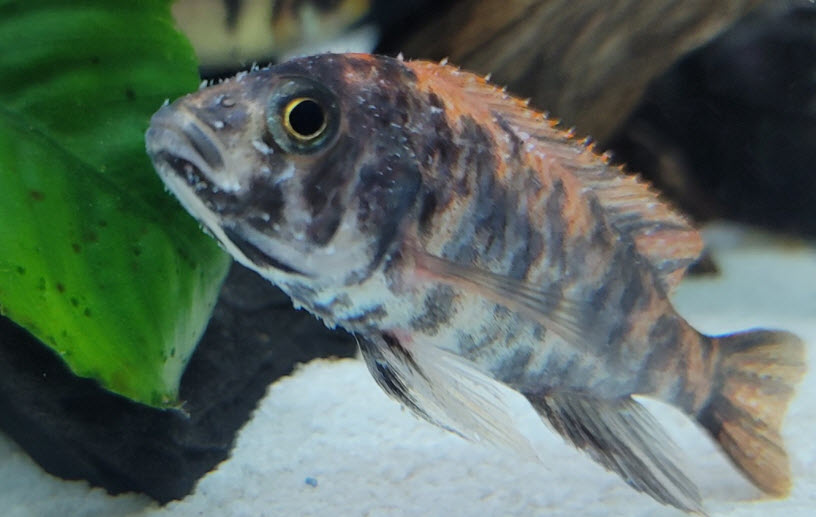
Epistylis is a disease commonly confused with Ich. It can look almost identical to ich. Epistylis is typically fuzzy and translucent while ich is clearly defined and very white. Epistylis stick out from the fish while ich only slightly protrudes from the fish.
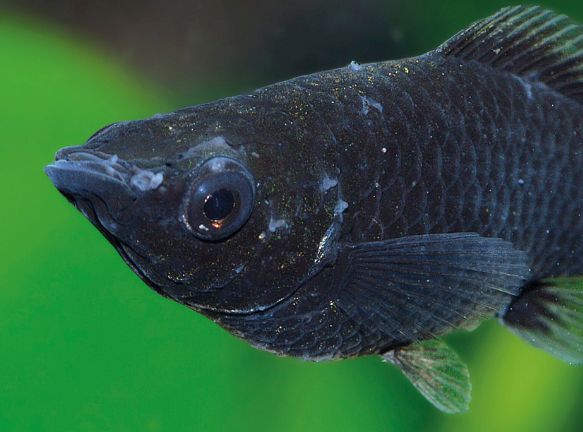
Velvet in a aquarium fish is a very small parasite that looks like tiny spots of yellowish to golden-brown or rusty-colored varnish on the fish.

Aquarium Diseases in General: Fish die. Most fish diseases are subtle. And most diagnoses of fish diseases are “best guesses” at best.


