Gram-negative columnaris bacteria can invade the gills and cause “gill disease”. The gills become red or brown and inflamed, there can be spots of red at the base of the pectoral fins and a thin papery look is found on the gill plate due to mucus.
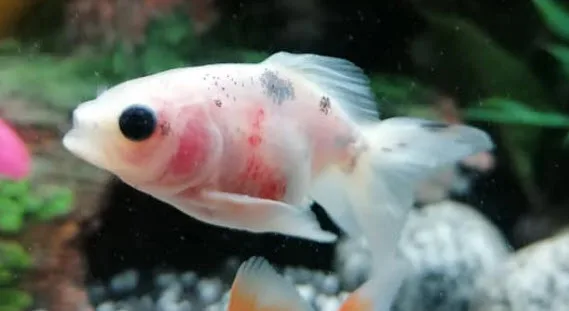

Gram-negative columnaris bacteria can invade the gills and cause “gill disease”. The gills become red or brown and inflamed, there can be spots of red at the base of the pectoral fins and a thin papery look is found on the gill plate due to mucus.
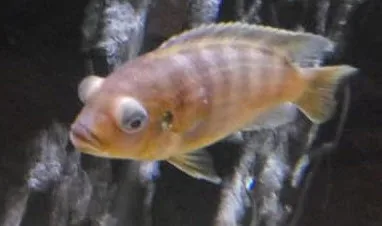
In “Popeye” the fish’s eyes bulge out. Popeye can be caused by many things, injury to the eye, environmental mycobacteriosis, even viruses. But the most common cause is a bacterium called Corynebacterium
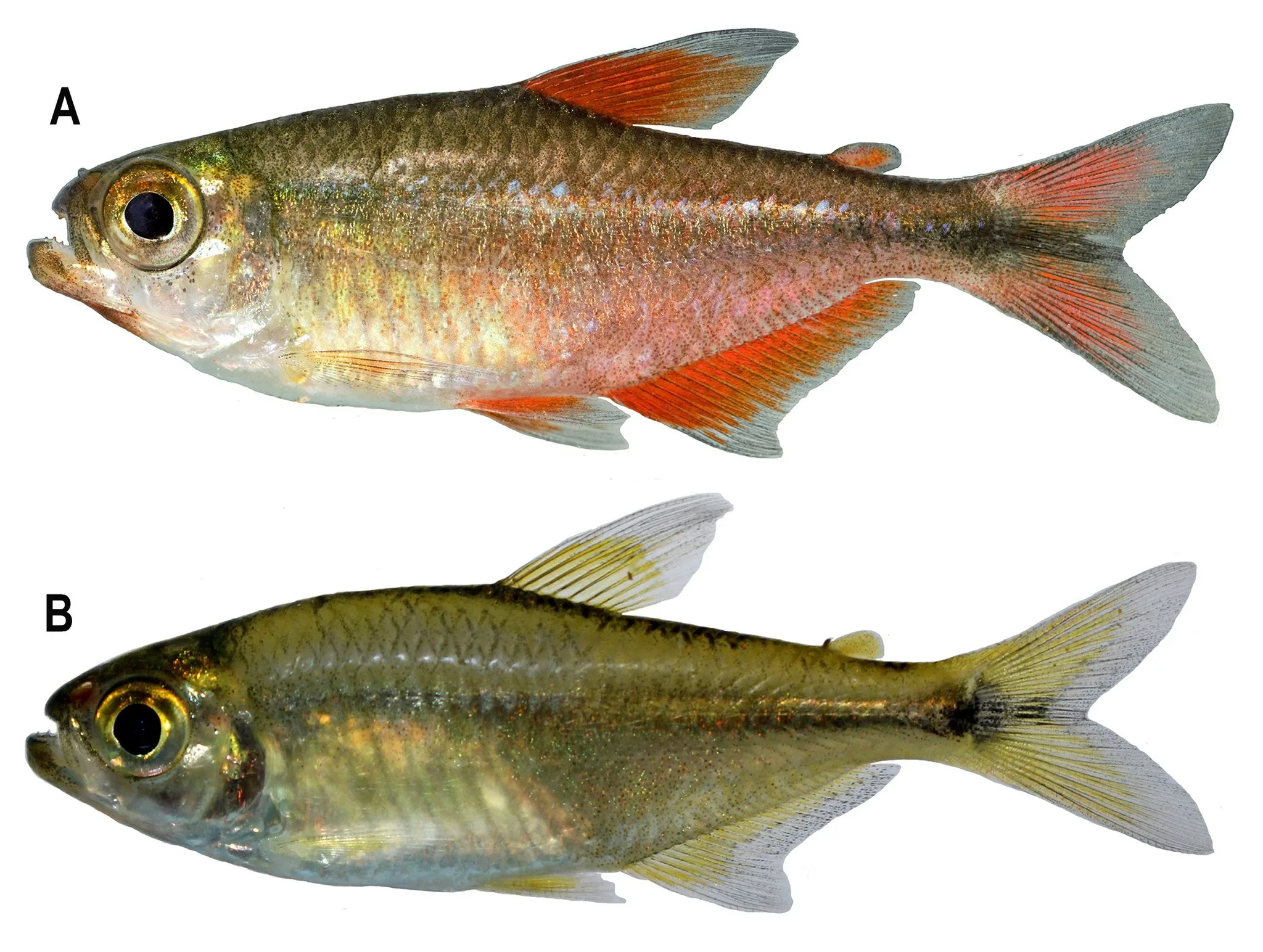
𝑀𝑜𝑒𝑛𝑘ℎ𝑎𝑢𝑠𝑖𝑎 𝑎𝑢𝑟𝑜𝑟𝑎, a new species of tetra from the rio Culuene, rio Xingu basin, in Mato Grosso State is described.

White eyes in fish: If only one eye is white it is typically a minor bacterial eye infection caused by the fish scrapping its eye or from an attack by another fish. If both eyes are white it is coming from a more serious bacterial infection inside the fish and will kill the fish rapidly.
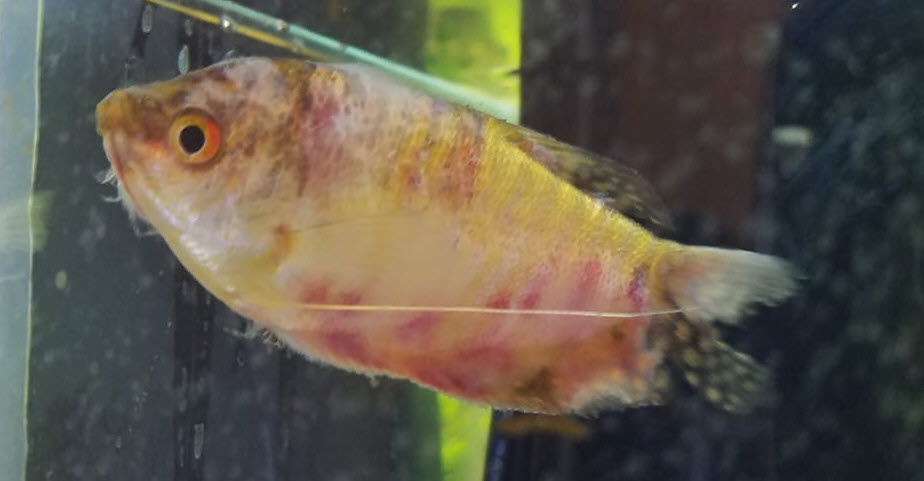
Most blood red blotches on the fins or skin of tropical fish are blood under the skin or hemorrhagic septicemia (“Red Pest”), an internal bacterial disease.

If one has more than one fish with a bacterial disease, one must treat the whole aquarium. This is an emergency. Don’t fool around with herbs or some ineffective treatment.

“Natural” Medications are ALL Worthless! Sorry, I just cannot sugarcoat this.

Saddleback in Fish are flat, fuzzy, velvety white patches on the body of a fish are often seen. This is typically in a “saddle” shape on the back, thus the term “saddleback”.
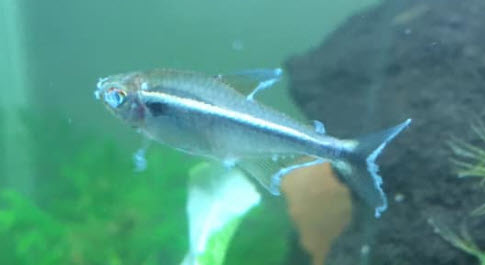
Fin rot is when the fins of a fish start eroding. Typically the eroding fins will have white edges. If white edges aren’t present it could be fin nipping and aggression which has caused the problem.
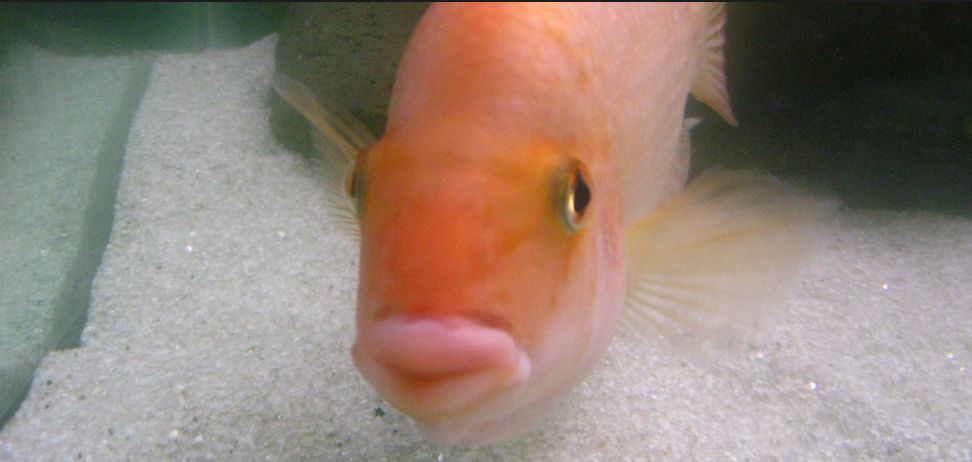
“Duck lips” are simply fat lips. There are two types of ‘Duck Lips” in aquarium fish. One is caused by bacteria and is normally a rapid killer. And one form, which only occurs in Lake Malawi cichlids, is a virus that comes on slowly and can be very benign.


