“Fungus” on a fish is typically a ball of white filaments sticking out well beyond the skin of the fish. The term “fungus” is a misnomer as these are not truly a “fungus”, they are saprolegnia water mold


“Fungus” on a fish is typically a ball of white filaments sticking out well beyond the skin of the fish. The term “fungus” is a misnomer as these are not truly a “fungus”, they are saprolegnia water mold
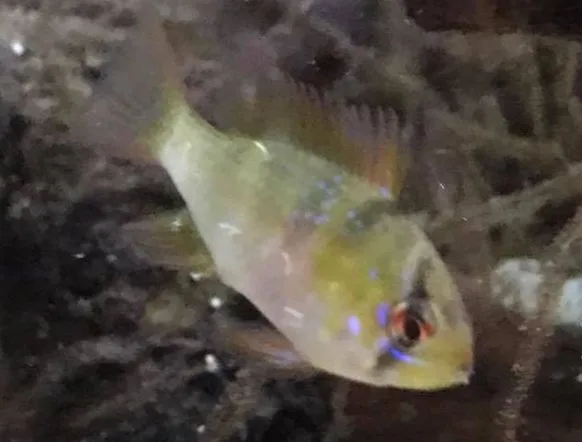
Anchor worms are a parasite of tropical fish which have visible parts which look like white cotton threads 1/8 to 1 inch long hanging off the body or fins of a fish.

In “stringy white poop” the feces will stick to the fish and trail behind it in thin clear or white threads with brown patches. Stringy clear or white poop CAN be mucus from severely infected intestines. Most of the time it means nothing.

Fish commonly get a white to pink cauliflower-like growth on their bodies. The disease is often referred to as “Cauliflower Disease”. It’s called Lymphocystis.

Another external parasite of fish is monogenean flukes; microscopically small, flat oval segmented flatworms (Platyhelminths). They are small relatives of the planaria.
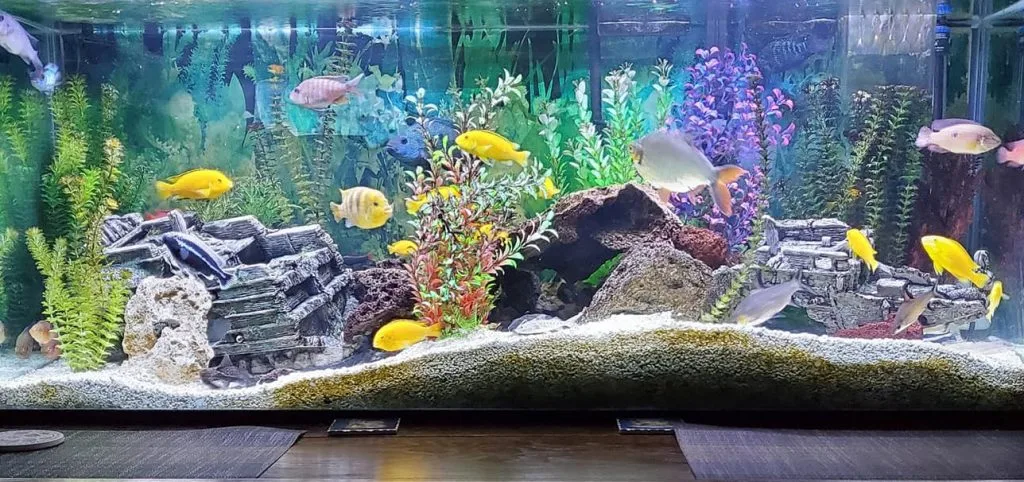
Hexamita is the common terminology used to describe many Hexamitidae Spironucleus species. Some use the term “internal parasites” to describe hexamita. There are hundreds of “internal parasites” of fish so we won’t use that terminology.

All home hobbyists should be aware that Mycobacterium marinum (the bacteria responsible for most cases of “fish TB”) can infect humans. It typically presents in humans as a very slowly developing (weeks or months) lesion that looks like a big pimple, abscess or carbuncle.

This article is a very in-depth look at “Fish TB”. It is only of interest to the real nerds, like the author. If one wants to be bored to tears read on.
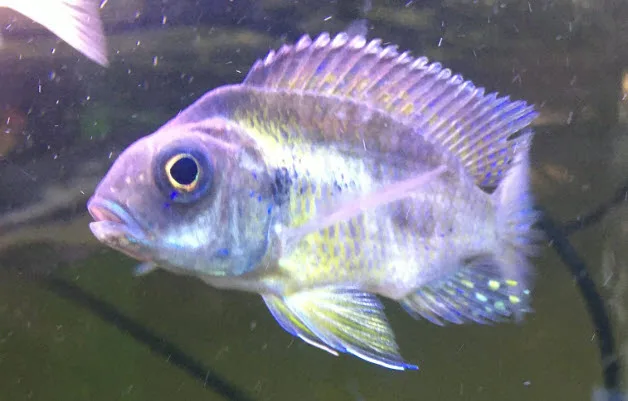
Fish tuberculosis or fish TB (also more properly called Environmental Mycobacteriosis or EM) is a bacterial disease that is different. There is no effective medication available to the hobbyist for fish TB.
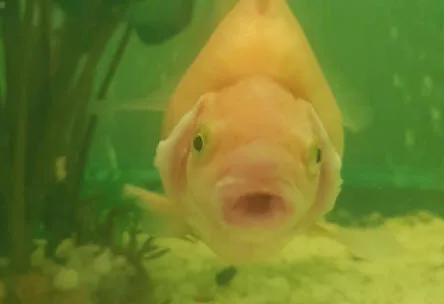
There is a bacterial disease that causes a red mouth in goldfish called enteric red mouth disease. This bacterial infection can cause subcutaneous hemorrhage that presents as reddening of the throat, mouth, gill tips, and fins, and eventual erosion of the jaw and palate.


