Dwarf Gourami Disease seems to be a combination of a virus AND a defect that occurs with interbreeding dwarf gouramis. It has not been found in wild strains of the dwarf gourami.


Dwarf Gourami Disease seems to be a combination of a virus AND a defect that occurs with interbreeding dwarf gouramis. It has not been found in wild strains of the dwarf gourami.
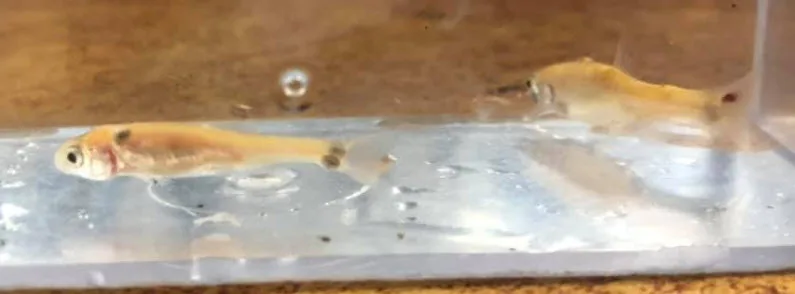
Fish lice are Argulus, a crustacean. These are rarely seen if tropical fish, but they can occur, especially in pond-raised fish. Since true lice are insects the term “fish lice” is a misnomer. There are several varieties of fish louse, including a very transparent one which is hard to see on the fish. Fish lice […]

Pests in the Aquarium: Sometimes small critters come into an aquarium on plants or fish and become established. The most common denizens aquarium owners find are hydra, detritus worms, planaria and leeches.

Shoal have just published their New Species Report for 2023, detailing the 243 species of freshwater fish described new to science last year. An excellent read, highlighting the people and stories behind the descriptions on several of these new species.PDF available here – https://shoalconservation.org/new-species-reports/ Shoal’s mission is to halt extinctions and recover populations of threatened freshwater […]
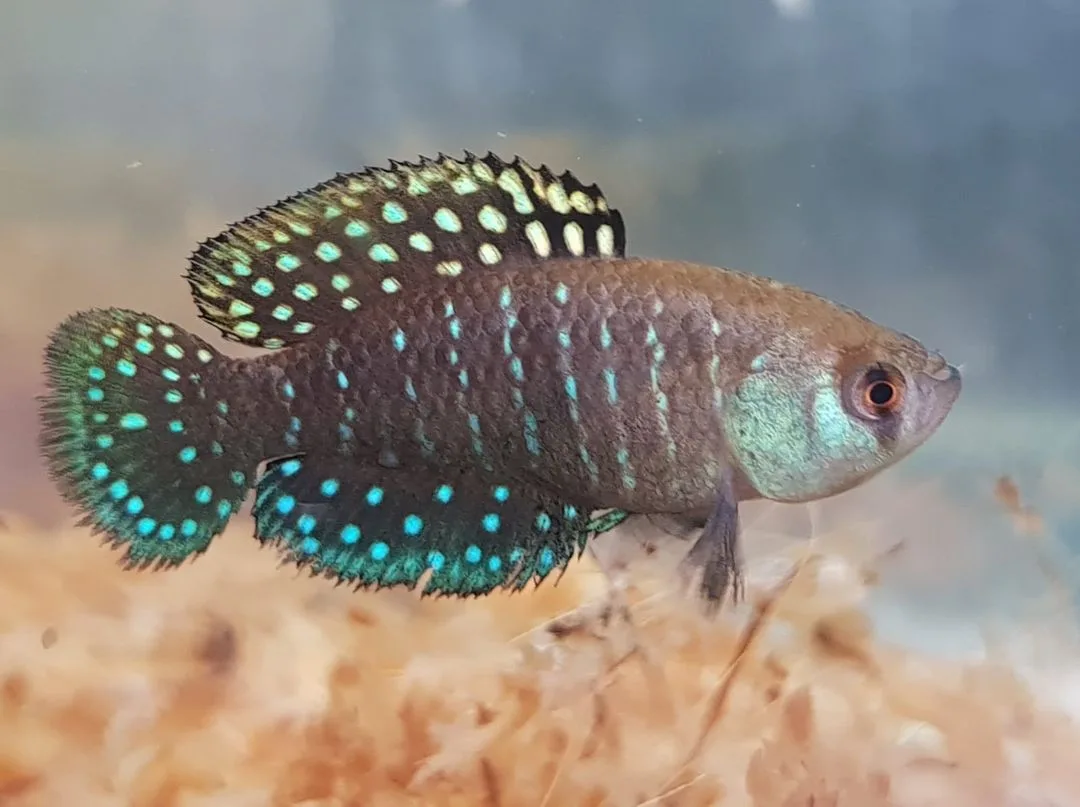
We describe 𝐴𝑟𝑔𝑜𝑙𝑒𝑏𝑖𝑎𝑠 𝑎𝑑𝑟𝑖𝑎𝑛𝑎𝑒, a new species of killifish from a small temporary wetland in the Paraná Forest ecoregion.
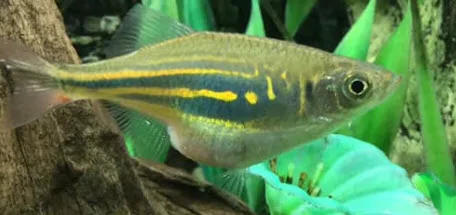
A common nematode worm infecting tropical fish is Capillaria worms. These nematodes produce the same symptoms as Camallanus, but they don’t protrude out the anus of the fish.

Camallanus nematode worms are among the most commonly encountered internal parasites for aquarium fish and may infect a wide range of fish species. They are seen as red threads hanging out of the anus of the fish.
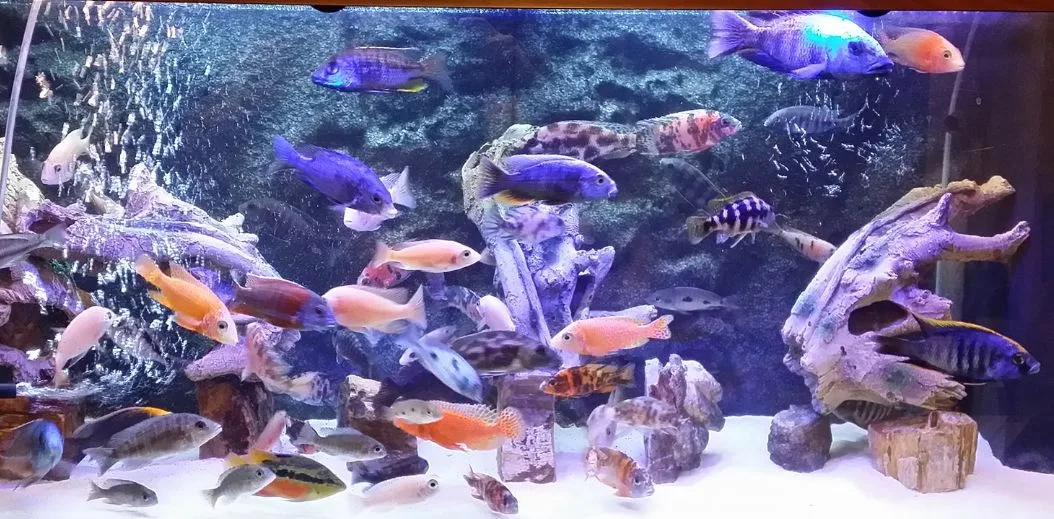
There are two types of nematodes or roundworms that are common pathogens on aquarium fish: capillaria and camallanus. These two worms are covered in this article.
There is a close relative of flukes known as tapeworms. Tapeworms live in the digestive tract of a fish as adults. The larval stage of some species of tapeworms live inside the body cavity of the fish.
There are many species of “black spot” flukes. They are poorly studied. Almost all species have a life cycle that goes through birds, then snails, then fish, then birds etc.


