


Xenotilapia boulengeri
Xenotilapia boulengeri was first described by Max Poll in 1942. The original name was Enantiopus boulengeri.
The genus name Xenotilapia is derived from the Greek word “xenos” (strange or foreign) and the Bechuana word “thiape” (fish). The exact reason for this naming is not clearly explained, but it could refer to the three lateral lines (instead of the usual two) and/or the longer inner fin rays of the ventral fins in Xenotilapia sima, characteristics not found in most other cichlids. The species name boulengeri honors Belgian-British zoologist George Albert Boulenger (1858-1937), whose work made most fish of Lake Tanganyika known.
Synonyms: Enantiopus boulengeri, Parectodus lestradei, Xenotilapia lestradei, Xenotilapia materfamilias

Appearance, Behavior and Life Expectancy
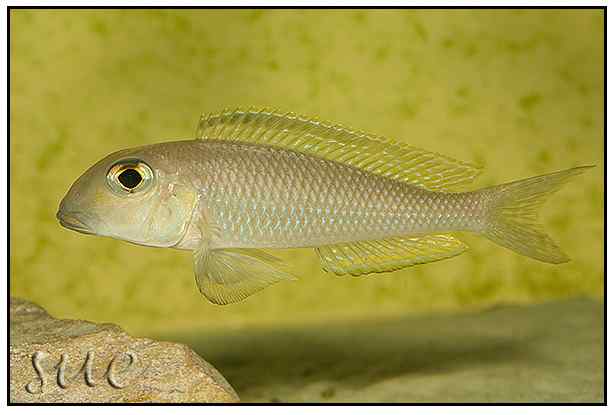
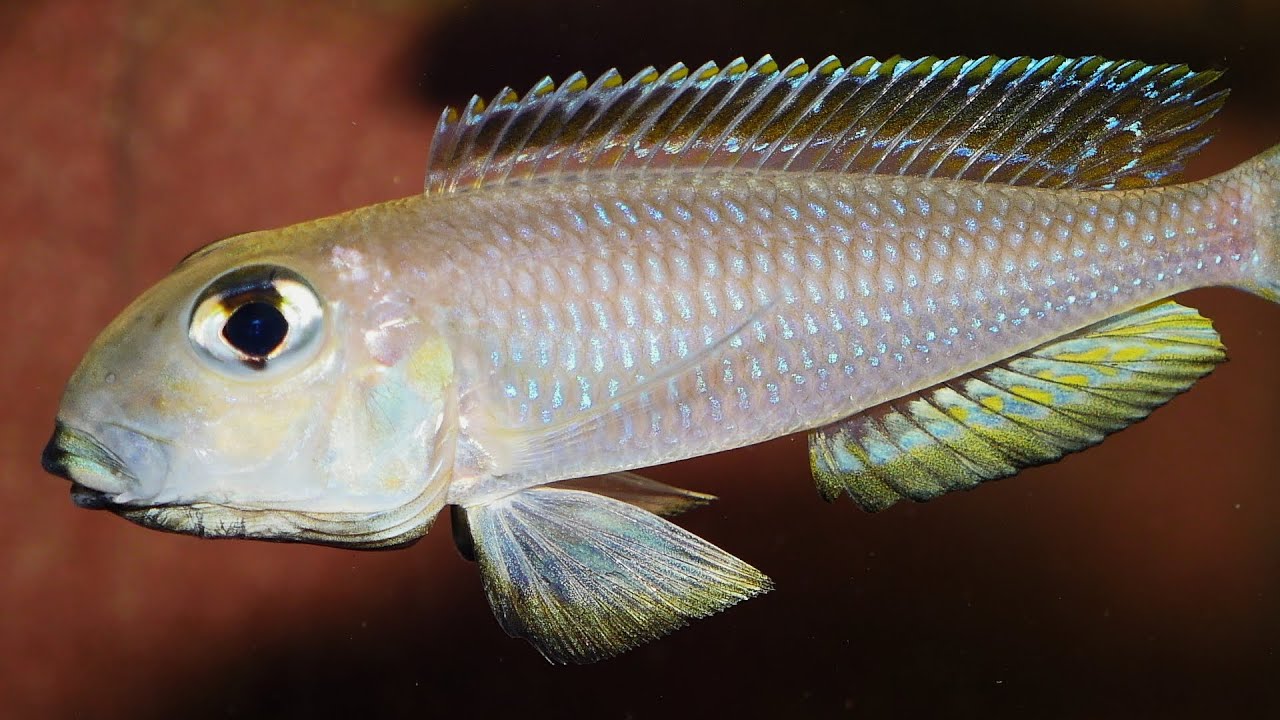
Xenotilapia boulengeri has an elongated, laterally flattened body. The head is light brown, sometimes with a yellowish spot on the gill cover. The flanks are predominantly grayish to brownish gray. The fins are generally light in color, with the edge of the dorsal fin often darker, sometimes black. The maximum overall length is about 15-16 centimeters.
Sex differences: Adult males are larger and have dark edges on the anal fin and pelvic fins. The dorsal and anal fins protrude further in males than in females. Behavioral differences are especially apparent during the breeding season, when males defend a territory.
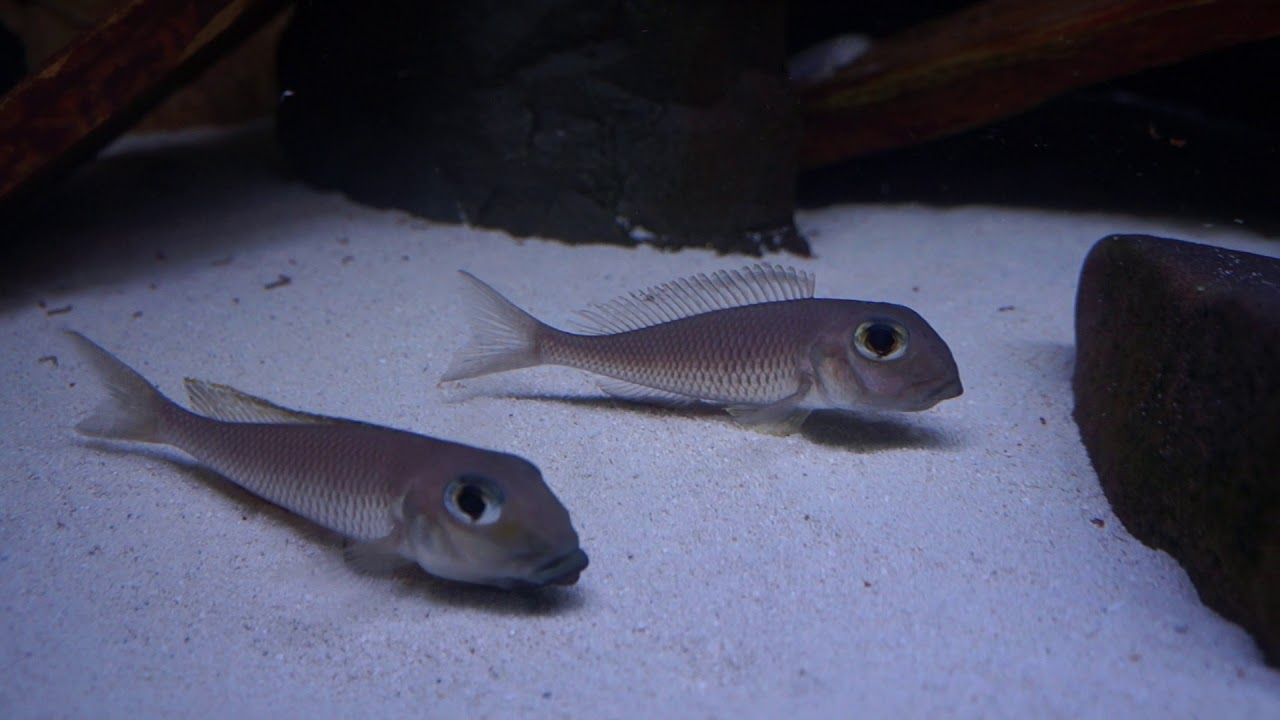
Behavior and temperament: Xenotilapia boulengeri is a relatively peaceful fish best kept in a group. They live in schools and are bottom dwellers, sifting through the sand in search of food. Although generally peaceful, some aggression can occur between individuals, especially during the breeding season when males defend a territory. They are not shy and are easy to observe. The fish are sensitive to stress and do not do well with aggressive species.

Diet
Diet in the wild: In its natural habitat, Xenotilapia boulengeri feeds mainly on small invertebrates that it filters from the upper layers of sand. This diet consists of small shrimp and copepods (small crustaceans). The fish sifts through the sand to find its food.
Diet in the aquarium: In an aquarium, Xenotilapia boulengeri can be fed live food such as insect larvae, water fleas (Daphnia) and Artemia. Frozen food and dry food are also accepted, but live food is always preferable. It is important to provide a varied diet that covers the nutritional needs of the fish. The food should be fine enough to be easily absorbed by the fish, as they filter small organisms from the sand in nature.

The Aquarium
For a group of 6-8 Xenotilapia boulengeri, an aquarium of at least 160 centimeters and 600 liters is recommended. For multiple pairs, an even larger aquarium is needed, keeping in mind there is enough space per fish. A larger group reduces aggression between males.
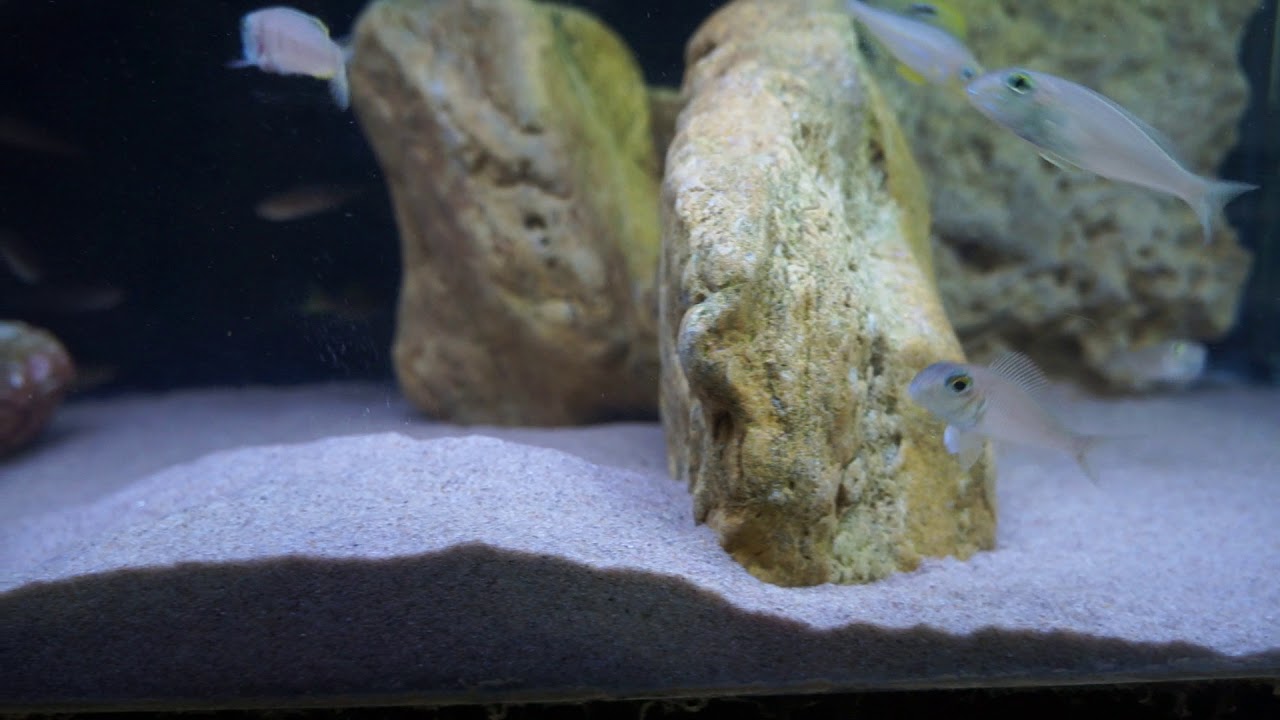
The aquarium should have a thick layer of fine sand as substrate. This allows them to show the natural behavior where they sift through the sand in search of food. Rocks can be placed at the edges and background to create hiding places. Plants are not essential, but can be added if you like.
Water values: The ideal water values are a temperature of 23-27°C, a pH of 7.5-9.5 (ideal 8-9.5), a total hardness (GH) of 10-20°dH and a carbonate hardness (KH) of about 15°KH .
Compatibility with other fish: Xenotilapia boulengeri can be kept well with other peaceful cichlids of Lake Tanganyika that inhabit the bottom, such as certain Julidochromis and Neolamprologus species. Avoid aggressive or overly active fish that may stress the Xenotilapia boulengeri. It is important to keep the fish in a group to minimize aggression between males.
Breeding Xenotilapia boulengeri
The eggs are deposited in a crater-shaped nest built by the male. The number of eggs is about 50. It is a biparental mouthbreeder, meaning that both the male and female incubate the eggs and later the young in their mouths. The female incubates the eggs for about 12 days, after which the young are cared for by the male for another 18-20 days. The young are about 1 cm long when they swim freely.
Particularities
Additional details about Xenotilapia boulengeri not covered in previous chapters:
- Three lateral lines: Unlike most other cichlids, Xenotilapia boulengeri has three lateral lines: one along the back, one in the middle of the body and one on the tail. This is possibly the reason for the first part of the genus name, Xenotilapia (xenos = strange or foreign).
Conclusion
Xenotilapia boulengeri is a fascinating cichlid from Lake Tanganyika with a number of unique characteristics, including three lateral lines and biparental mouth brooding. Although relatively peaceful, this species does require a specific aquarium situation with a thick layer of fine sand and sufficient space. Water parameters must be carefully monitored. Novice aquarium keepers are not recommended to start with this species due to its specific requirements and the need for a spacious setup.
The combination of specific water parameters, the need for a large tank and sensitivity to stress makes Xenotilapia boulengeri a challenge for the novice aquarist. Experience in keeping Tanganyika cichlids is recommended. The long period of parental care in incubating the eggs and raising the young is a striking and interesting feature. Successful keeping and breeding of this species requires patience, knowledge and attention to detail.
Video
Author
John de Lange
Copyright images
suephoto.com (original website no longer online)
Bibliografie
- Takahashi, T., & Nakaya, K. (1997). A taxonomic review of Xenotilapia sima and X. boulengeri (Cichlidae; Perciformes) from Lake Tanganyika. Ichthyological Research, 44(1), 57-70.
- Widmer, L., Indermaur, A., Egger, B., & Salzburger, W. (2021). Where Am I? Niche constraints due to morphological specialization in two Tanganyikan cichlid fish species. Ecology and Evolution, 11(12), 7262-7274.


