The people who are serious about the hobby and have large aquariums use a sump filter, typically located below the aquarium in the cabinet. Sumps have many advantages.
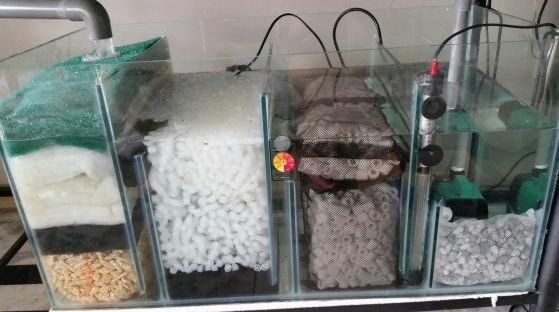

The people who are serious about the hobby and have large aquariums use a sump filter, typically located below the aquarium in the cabinet. Sumps have many advantages.
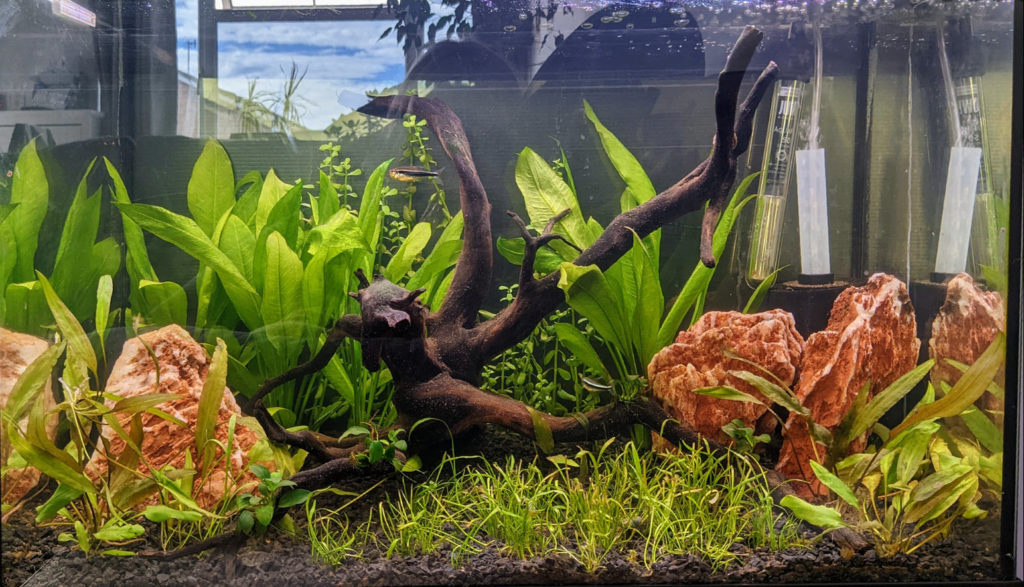
This article shows how to make a DIY undergravel filter. Note that it is cheaper to buy a ready made undergravel filter as the parts are 3 to 5 time more expensive.

Undergravel filters have not been widely tested as a filter in the aquaculture industry. This is a very long and boring commentary on undergravel filters. Read on only if you are a real nerd like the author.
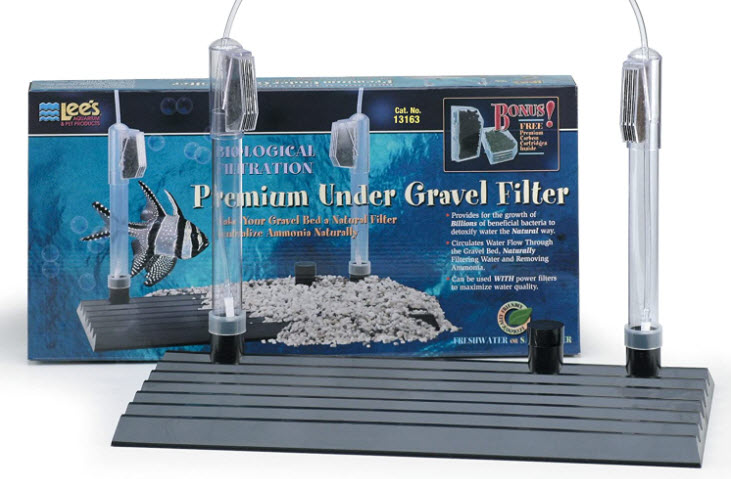
Under gravel filters consist of a plastic grate or “filter plate” which lies under small gravel in the aquarium. Under-gravel filters are great for biofiltration (the media volume is second only to sumps) and crystal-clear water AS LONG AS YOU DON’T CLEAN THEM BUT EVERY FEW YEARS.
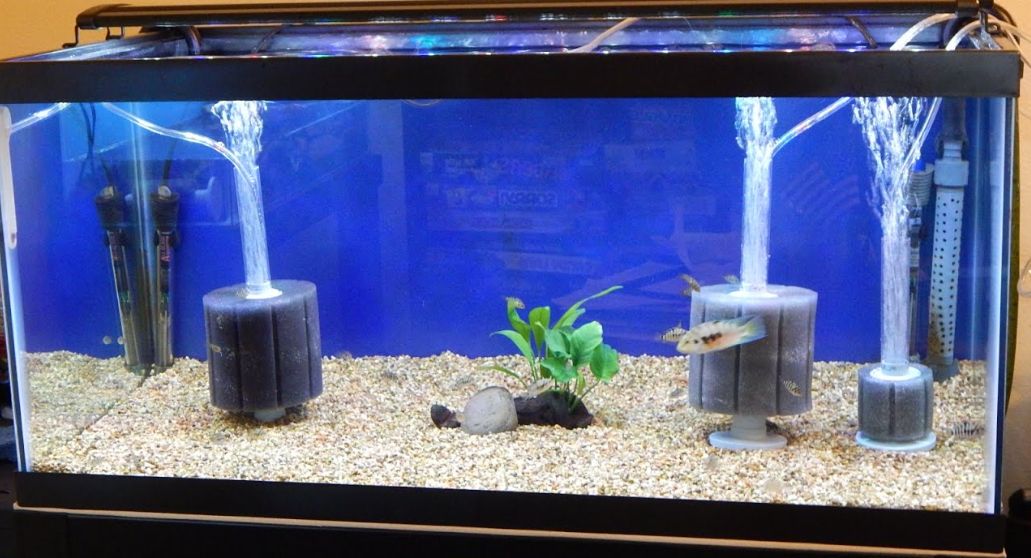
Aquarium Sponge filters are probably the least expensive filter. Sponge filters typically are holed cylinders of gray foam about four to six inches in diameter and four to eight inches tall with an air tube coming out the top.

How to get Crystal-clear water in depth explained. Crystal-clear water is the most important factor to keep your fish healthy in the aquarium.

Review of Water Conditioners for the Aquarium: none of the tested conditioners removes ammonia!

Conditioner testing: all aquarium water conditioners neutralize chlorine and chloramine at roughly the same level.

There is a huge variation in the effective cost of various conditioners. The most expensive product on the shelves is one hundred times more costly than the least expensive product on the shelves. This is huge.

Conditioner Chemistry: All conditioner’s use the same basic chemistry to do the same thing. The reaction turns the toxic chlorine into harmless table salt (chloride). ALL conditioners do this and ONLY this.


