“High Performance” Filters for Aquariums usually are an overpriced scam.


“High Performance” Filters for Aquariums usually are an overpriced scam.

Public aquariums typically use very large stationary sand filters to do the mechanical and biological filtration. I do NOT recommend fluidized sand bed filters!

When one uses a sump the pump in the sump moves the water back up to the aquarium. Then there needs to be a way of moving the water back to the sump and to prevent the aquarium from overflowing. There are a huge number of DIY devices on the internet and YouTube that are […]

There is one type of foam sump that is VERY attractive to those who are cowed by the complexity or the noise of a fluidized bed sump. It is a foam/ 2 wavemaker sump.
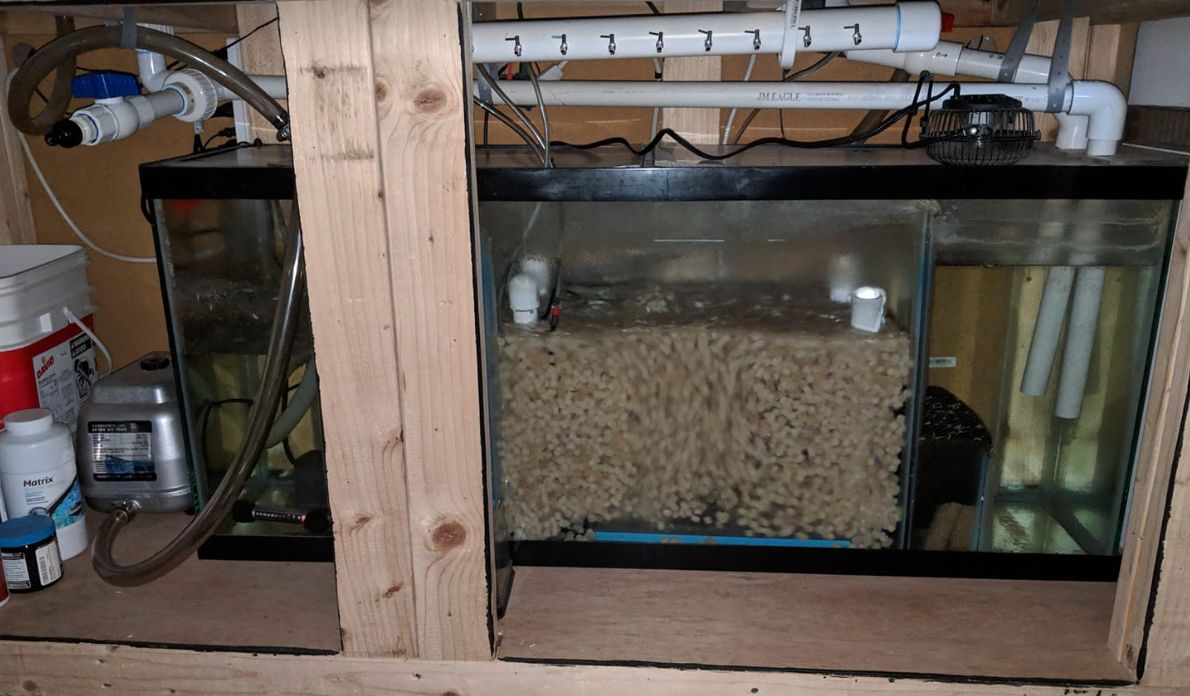
Do-it-yourself Sump Filters for Aquariums are easy to make. Just follow the instructions in this article.

Fluidized Bed Sump Filters for Aquariums use a polyethylene high surface area media. Many millions of dollars of research in the area of aquaculture have established that fluidized K1 beds are the best type of filter !
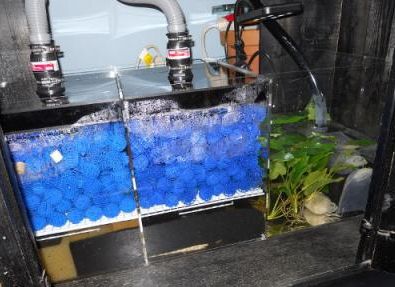
Wet-dry filters are a hybridized version of the trickle sump filter where some submerged static biomedia is added. This gives better biofiltration than a trickle filter but is still only about 70% as efficient as a static media submerged bioballs filter.

One type of sump filter is called a trickle filter. In a trickle filter, the water flows into a tray with many small holes in it. The tray spreads the water out over a square foot or so of surface.
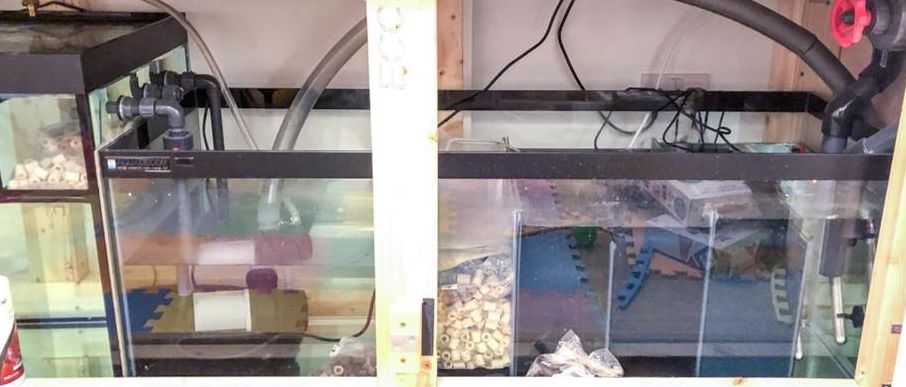
Static submerged media sump filters are simply sumps filled with both water and a biomedia through which the water flows. Most sump filters in the hobby are static submerged media sumps.
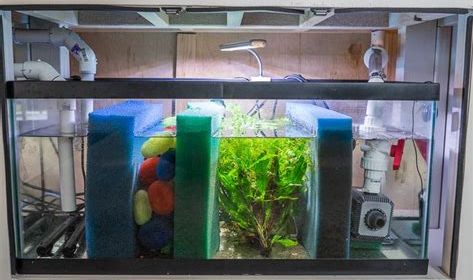
This article shows the types of sumps and what filtermedia to use for the best results.


