Rio Calima
Rio Calima
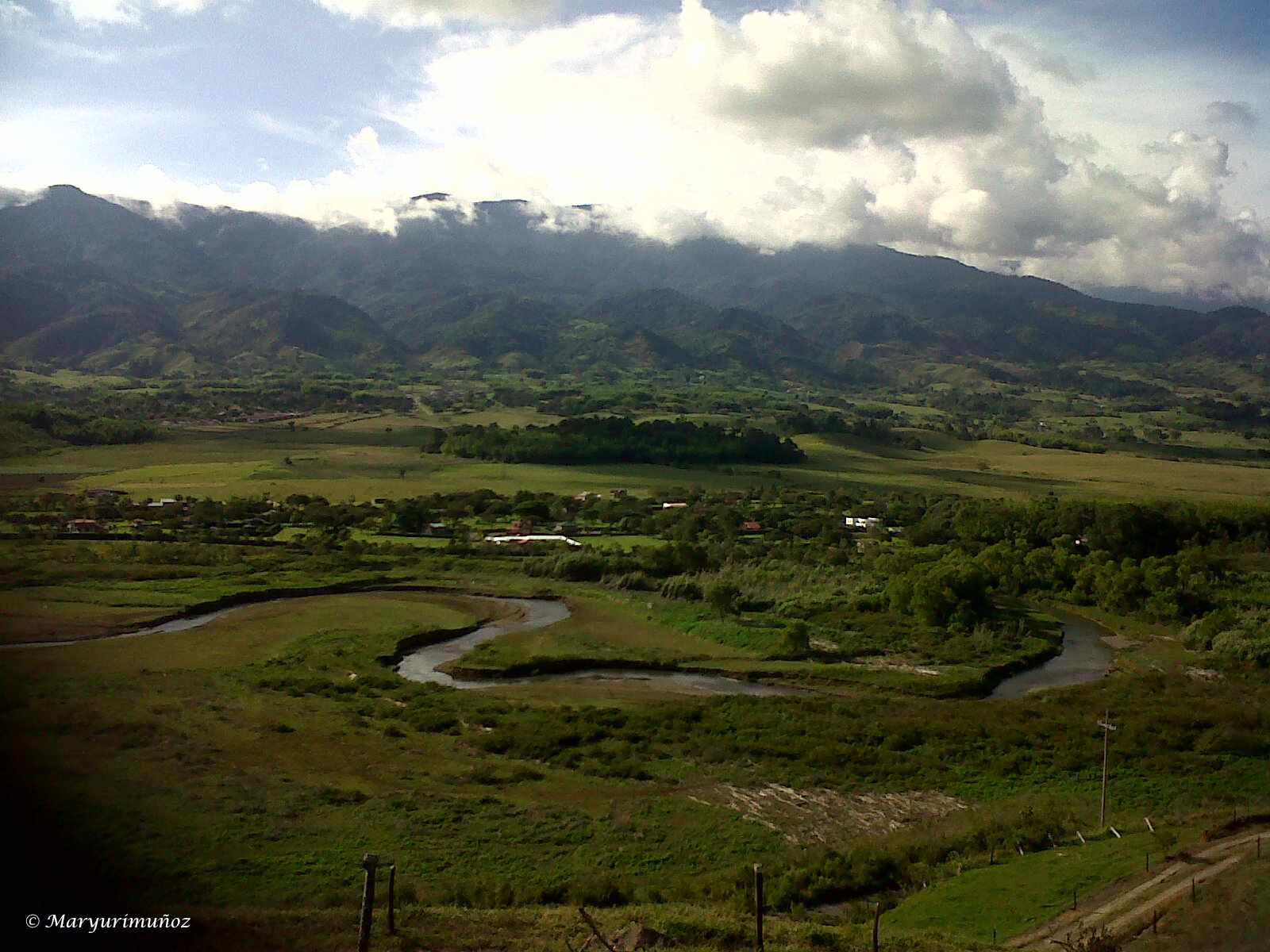
The Rio Calima is a relatively short yet ecologically important river located in western Colombia, South America. The name “Calima” is derived from the indigenous Calima culture that once flourished in this region, known for its pre-Columbian art and goldsmithing. The river rises in the western slopes of the Cordillera Occidental and flows into the larger San Juan River, which eventually drains into the Pacific Ocean.
The Rio Calima is approximately 100 kilometers long and flows through the Valle del Cauca department. The most notable settlement near the river is Darién, a small town close to Lake Calima (Reservoir Calima), one of Colombia’s largest artificial lakes. Though not flowing through major cities, the river supports smaller rural communities and ecosystems vital to the region.
Habitat en Biodiversiteit
The Rio Calima flows through dense tropical and subtropical rainforest, forming part of the Chocó biogeographic region—one of the world’s most biodiverse areas. The surrounding forests are extremely humid, with high annual rainfall exceeding 6,000 mm in some areas. This lush environment supports a high level of endemism in both flora and fauna.
The Calima River eventually joins the San Juan River, and its basin includes several small tributaries such as the Rio Bravo and Quebrada Grande. The river basin harbors over 150 species of freshwater fish, many of which are endemic or found only in western Colombian river systems.
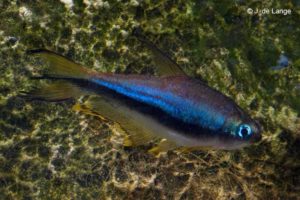
Among aquarium enthusiasts, species such as the Nematobrycon palmeri (Emperor Tetra) and the Nematobrycon amphiloxus (Black Emperor Tetra) are the most notable exports from the Calima region. These species are prized for their beauty and relatively peaceful nature, making them excellent community fish.
Biotopes
Within the Rio Calima, several distinct biotopes can be observed depending on altitude and flow characteristics:
- Highland Headwaters (Upper Reaches)
Cold, fast-moving streams with stony bottoms. Vegetation overhangs the water, creating shaded zones and cooler microclimates. Fish species here are often adapted to strong currents and higher oxygen levels. - Midstream Rainforest Zone
Slower flow with a mix of sandy and muddy substrates. Fallen leaves, driftwood, and submerged roots are common. Water is often tinted amber by tannins. This biotope houses many characins, tetras, and dwarf cichlids. - Lowland Floodplains and Swamps
Periodically flooded areas with abundant aquatic plants and calm waters. Rich in organic debris and detritus. Supports a broad range of species including catfish, killifish, and juvenile fish nurseries.
Water Parameters
Water conditions in the Rio Calima can vary with elevation and season but generally show the following ranges:
- Temperature: 22–26°C (upper reaches may be cooler)
- pH: 6.0–7.0 (slightly acidic to neutral)
- Hardness: 1–6 dGH (soft to moderately soft)
- Conductivity: Low to moderate (50–150 µS/cm)
- Tannins: Moderate to high, especially in the rainforest sections
- Visibility: Often tea-colored due to organic matter but clear in fast-flowing areas
These parameters make it ideal for softwater species such as many South American tetras and dwarf cichlids. Aquarists replicating a Rio Calima biotope should aim to include leaf litter, dim lighting, and gentle flow to mimic the natural environment.
Author
John de Lange
Copyright foto
Maryurimuñoz – CC BY-SA 3.0
Fish species
Below you will find the fish species we have added to our database and that occur in this river.
Showing all 2 results