De kweek van de Kaap Lopez, beschreven in woord en beeld. Ook het incuberen van de eieren en grootbrengen van de jongen staat beschreven.


De kweek van de Kaap Lopez, beschreven in woord en beeld. Ook het incuberen van de eieren en grootbrengen van de jongen staat beschreven.

Breeding Nothobranchius is relatively easy, once you know how to do it. Here you will find a step-by-step description of the process.

Paretroplus damii is perhaps the cutest of all the known Madagascan cichlids. In this article we tell you how we were keeping and breeding the Paretroplus damii.
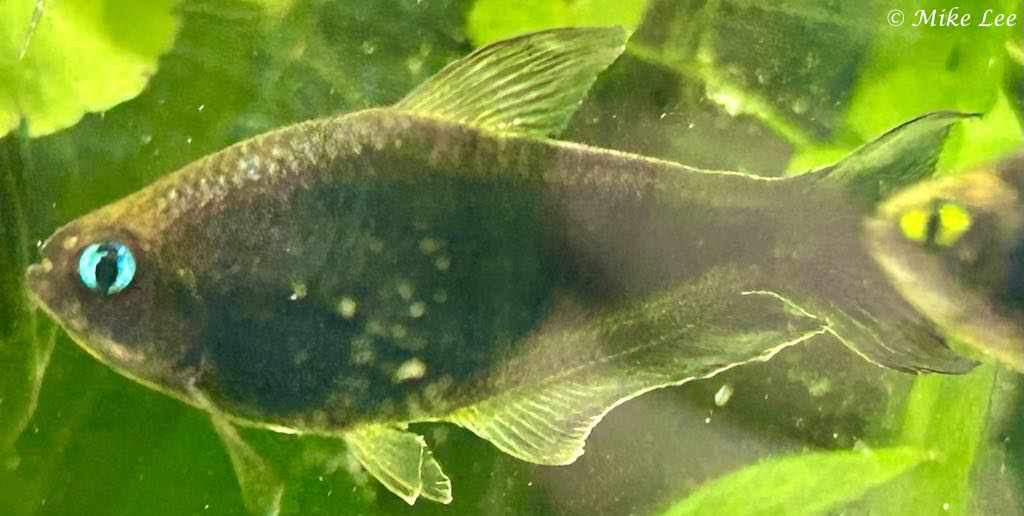
In this detailed breeding report, Mike Lee shares his experience successfully spawning and raising the stunning Black Emperor Tetra (Nematobrycon amphiloxus). From broodfish conditioning to fry rearing without paramecium, this step-by-step guide offers practical advice, reflections, and encouragement for aquarists seeking to breed this elegant and underappreciated characin species.
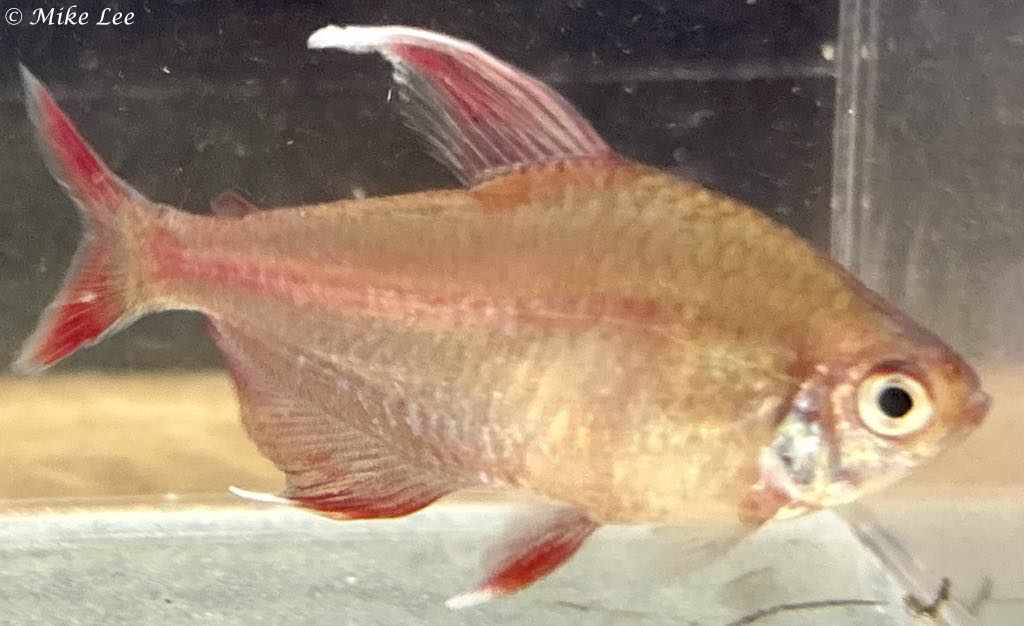
Breeding Hyphessobrycon bentosi is rewarding and achievable with careful conditioning, clean setups, and timing spawns around falling air pressure. Broodfish thrive on a varied diet, and fry grow quickly on early microfoods and baby brine shrimp. Even without paramecium, good numbers of juveniles can be raised with patience and care.
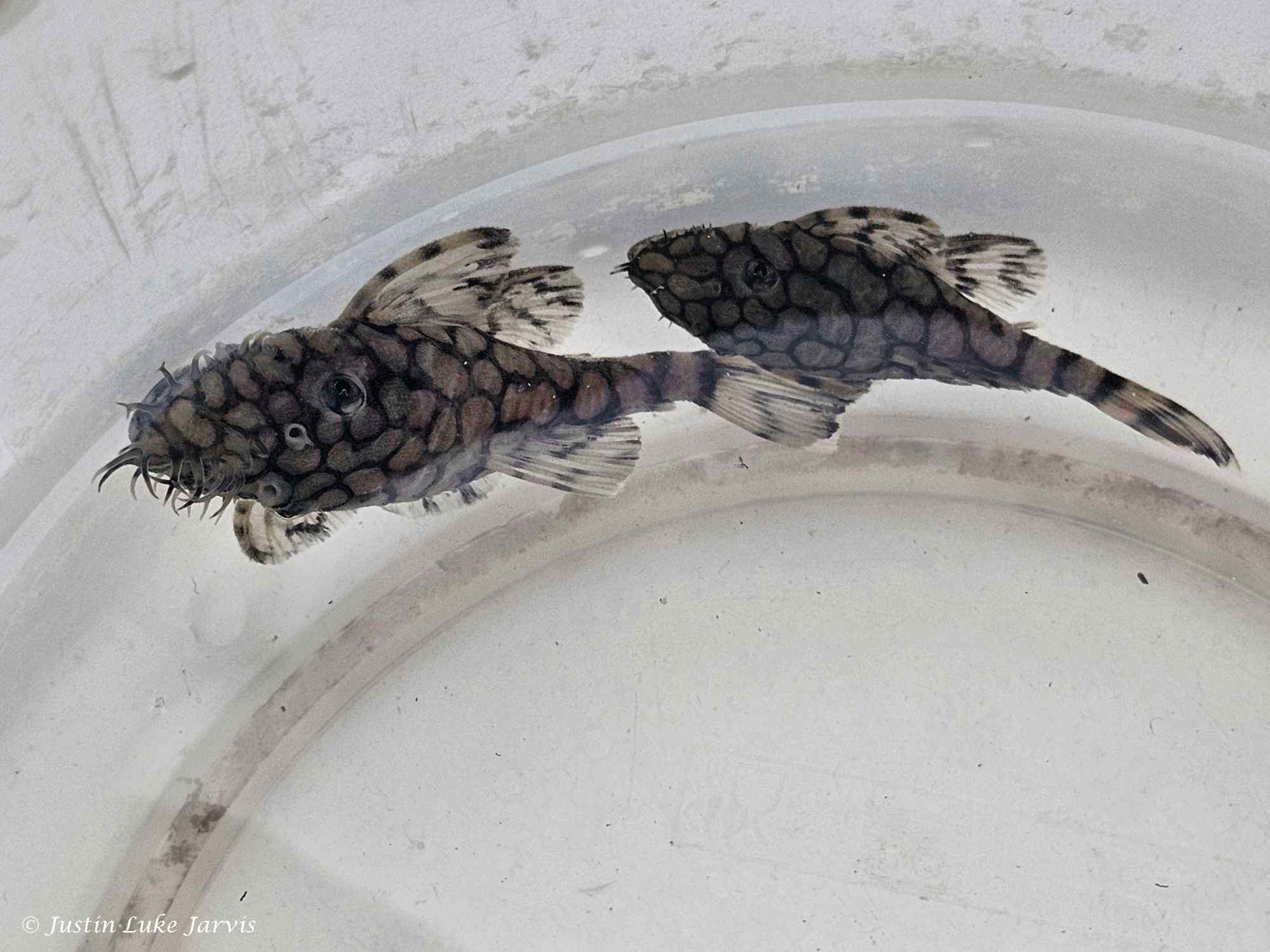
Breeding Report – Ancistrus sp. “L519 Kiefner” I’ve been breeding Ancistrus sp. “L519 Kiefner” for a few months now, and I’ve had two successful spawns from my single pair, one male and one female, both F1s. In this report, I’ll walk you through my setup, the way I care for them, and how I’ve managed […]

Thorichthys ellioti is a beautiful, caring cichlid whose breeding in the aquarium is a fascinating process. With their vibrant colors, intense parental care and unusual courtship behavior, they offer a unique experience. A well-appointed aquarium and patience are essential to successfully raising these impressive fish.

This article discusses the significance of murrels (Channa spp.), also known as snakeheads, in India’s freshwater fisheries. As the third most important group after carps and catfishes, murrels are valued for their air-breathing ability, allowing them to survive in low-oxygen waters and even migrate between pools. They play a crucial role in controlling mosquito larvae and are popular among anglers. However, challenges such as habitat degradation and overfishing have impacted their populations, highlighting the need for sustainable management practices.

This article discusses the rearing of spotted scat (Scatophagus argus) and pearlspot (Etroplus suratensis) in coastal West Bengal, India. It highlights their adaptability to brackishwater conditions, methods for fry collection, pond management, feeding, and market potential. The study emphasizes their value in ornamental fish trade and sustainable aquaculture for rural livelihoods.
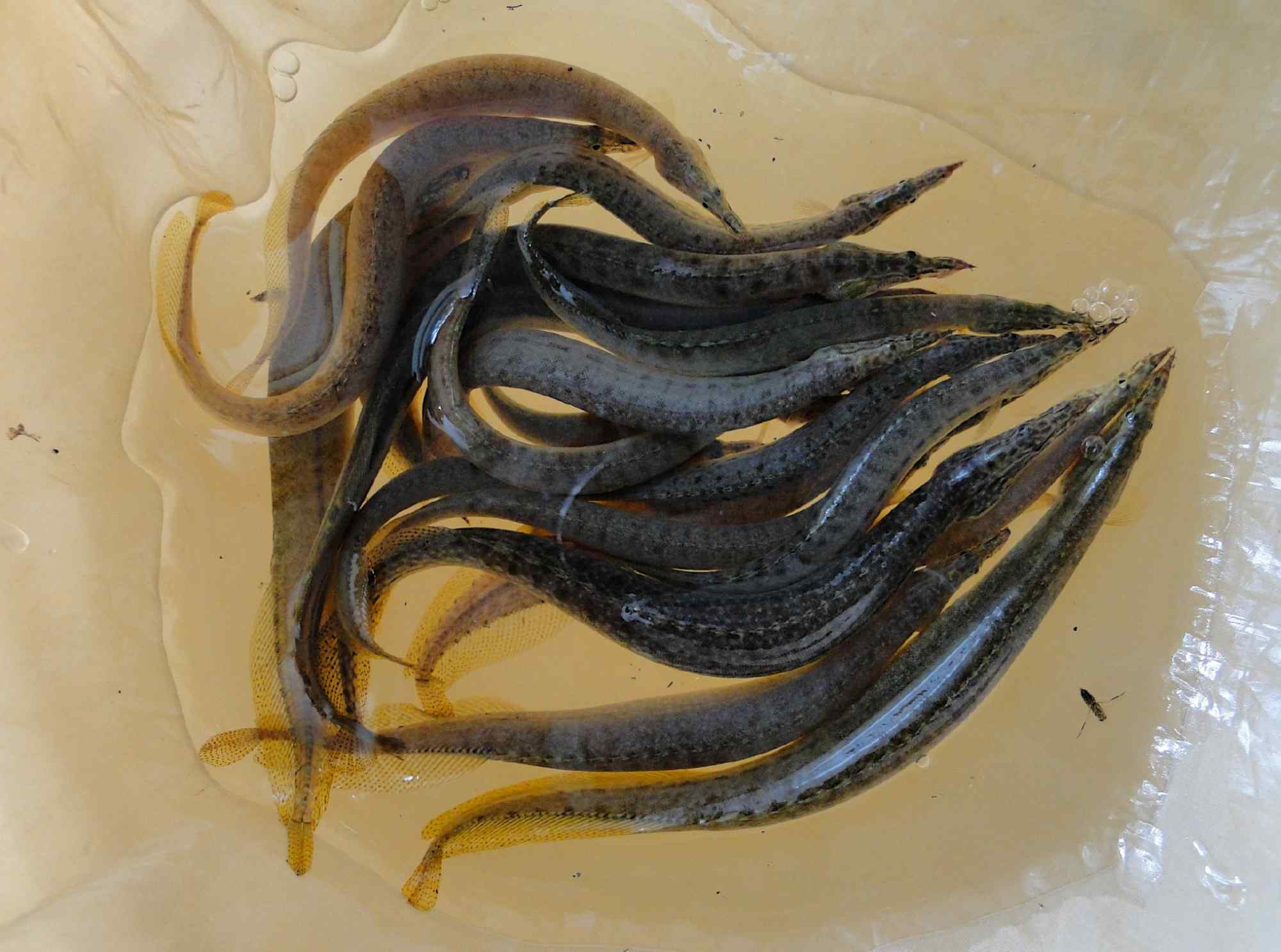
This article from the Network of Aquaculture Centres in Asia-Pacific details breeding and seed production techniques for the striped spiny eel (Macrognathus pancalus). The study, conducted in India, achieved 88% survival after one month using habitat simulation and techniques to prevent cannibalism. The methods are presented as adaptable for sustainable aquaculture.


