This is how I incubate the Aphyosemion australe eggs. A clear report with photos!
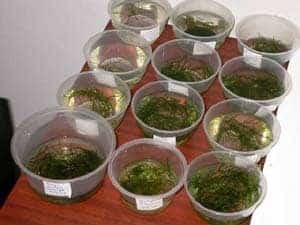

This is how I incubate the Aphyosemion australe eggs. A clear report with photos!

Breeding Nothobranchius is relatively easy, once you know how to do it. Here you will find a step-by-step description of the process.

Breeding Farlowella does not always have to be difficult. In this article, I will tell you a little more about breeding Farlowella platorynchus in my aquarium.
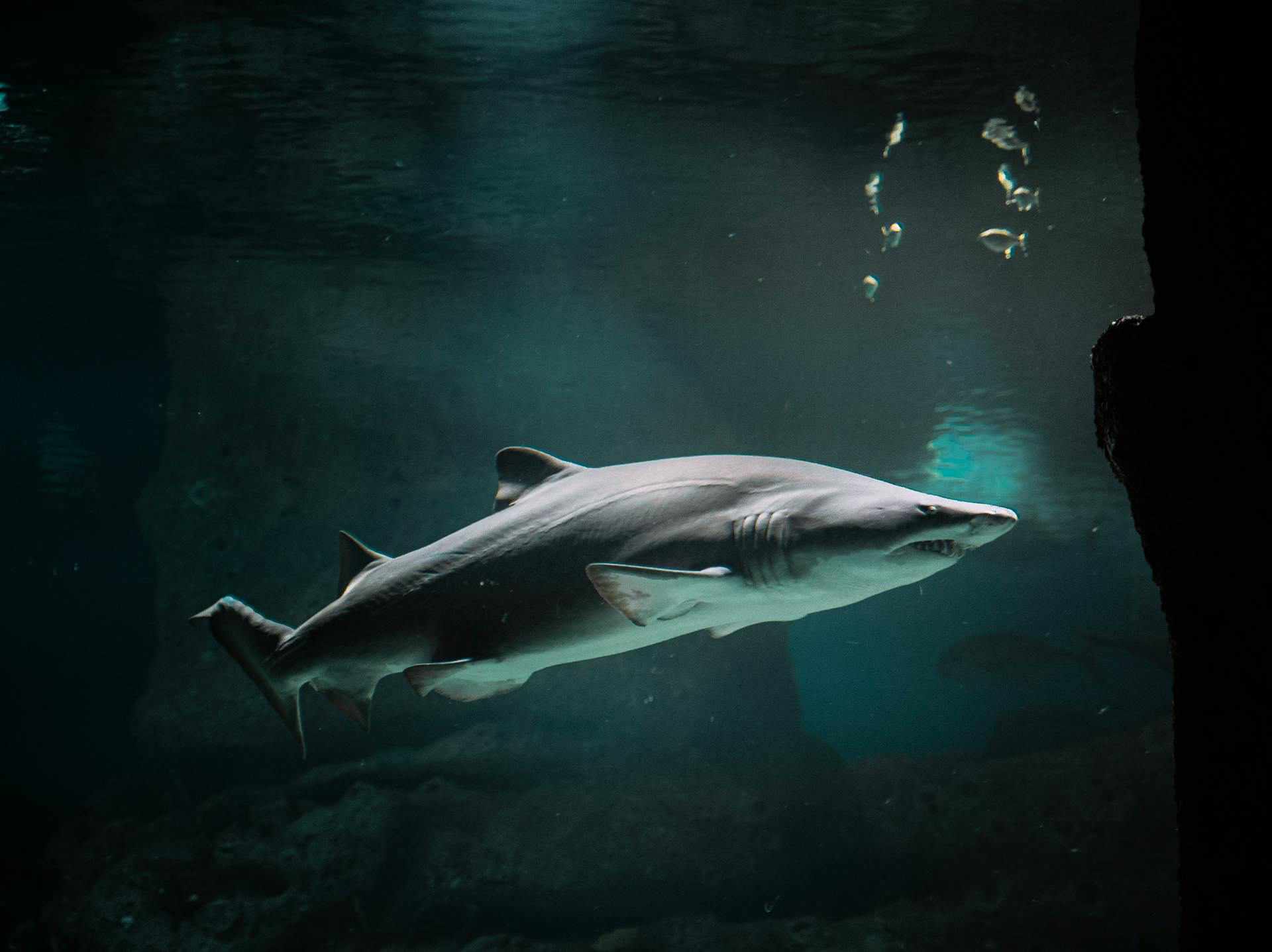
This article explores how documentaries and literature have shaped our understanding of sharks by influencing public perception and scientific discourse. It examines how storytelling, imagery and written works combine to underscore sharks’ ecological importance, challenge myths and inspire conservation, revealing the power of media in reshaping how we view these misunderstood predators.

Paretroplus damii is perhaps the cutest of all the known Madagascan cichlids. In this article we tell you how we were keeping and breeding the Paretroplus damii.
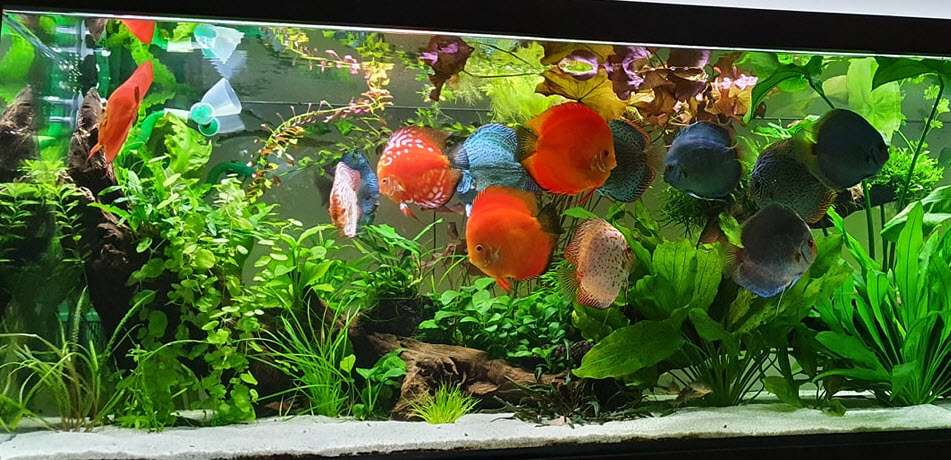
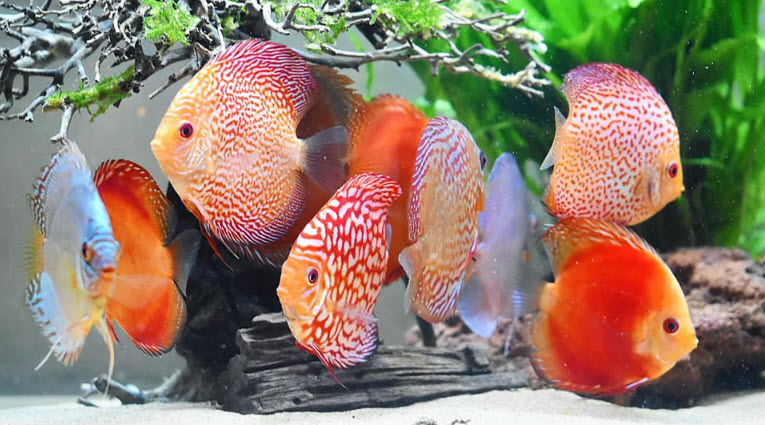
17.11.7. Discus Photos Here is a page of photos of discus tank which will give one an idea of how varied the selection of discus breeds can be: Information on Discus The following articles will be useful reading if you are contemplating keeping discus: 17.11. Discus 17.11.1. Discus Husbandry 17.11.2. Filtration for Discus 17.11.3. Water […]

This guide details a specialized Discus breeding setup. It emphasizes redundancy with a 20-gallon sump, dual sponge intakes, multiple air pumps, and heaters maintaining 80-82°F. Key components include a UV sterilizer, an LED grow light for algae growth, and a ceramic breeding cone. “4 Week Syndrome” is also mentioned.
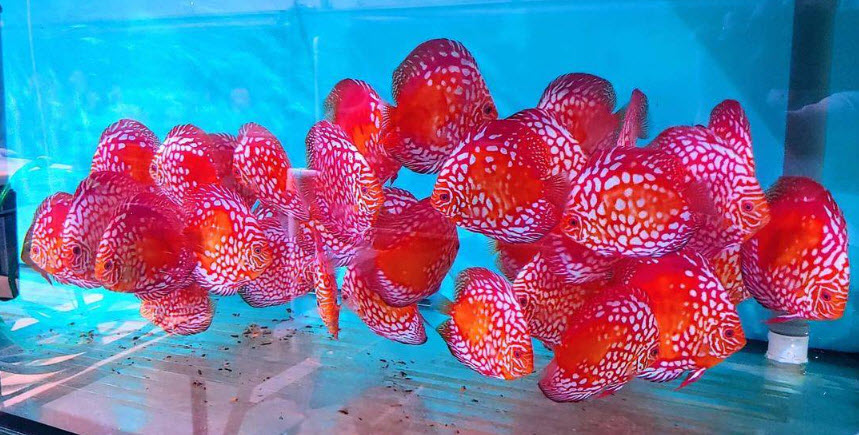
Discus fish produce unique pheromones, chemical “smells” that influence their behavior and growth. In nature, these scents identify family groups. Keeping different discus color variations together in an aquarium can cause slight stress as the fish constantly try to “find” their specific “family” pheromones. For optimal growth and well-being, it is recommended to keep only one color variation per tank.
Discus are sensitive eaters, and not all fish foods labeled “for discus” are ideal. Optimal diets should feature at least 45% high-quality protein. Grated beef heart remains a top choice, while lean meats (fish fillets, shrimp, chicken) are excellent alternatives. Avoid foods high in cheap vegetable proteins like soy or wheat.

Maintaining optimal water conditions is crucial for healthy discus fish. This article explains the two proven approaches: the “ultra-clean” method with daily water changes and minimal filtration for competitive breeding, versus the “ultra-filtered” style using heavy filtration and less frequent maintenance for decorative setups. Choose one and stick to it for best results.


