Nano Aquariums

17.9. Nano Aquariums

Nano aquariums are compact freshwater tanks, typically ranging from 12 to 36 liters, ideal for small aquatic species like dwarf shrimp, snails, and select nano fish. Their manageable size and versatility make them perfect for hobbyists seeking a low-maintenance yet visually appealing aquatic setup.

Oscars in the Aquarium

17.8 Oscars in the Aquarium

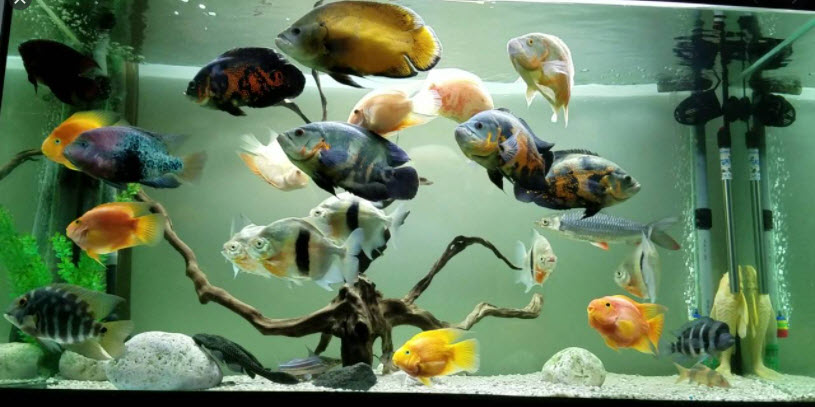
Oscars are impressive, colorful cichlids known for their intelligence and interaction with their environment. They require a spacious aquarium with excellent filtration and stable water conditions. Due to their size and behavior, they are less suitable for beginners, but experienced aquarists can enjoy these fascinating fish.

Bettas in the Tropical Aquarium

17.7. Aquarium Bettas

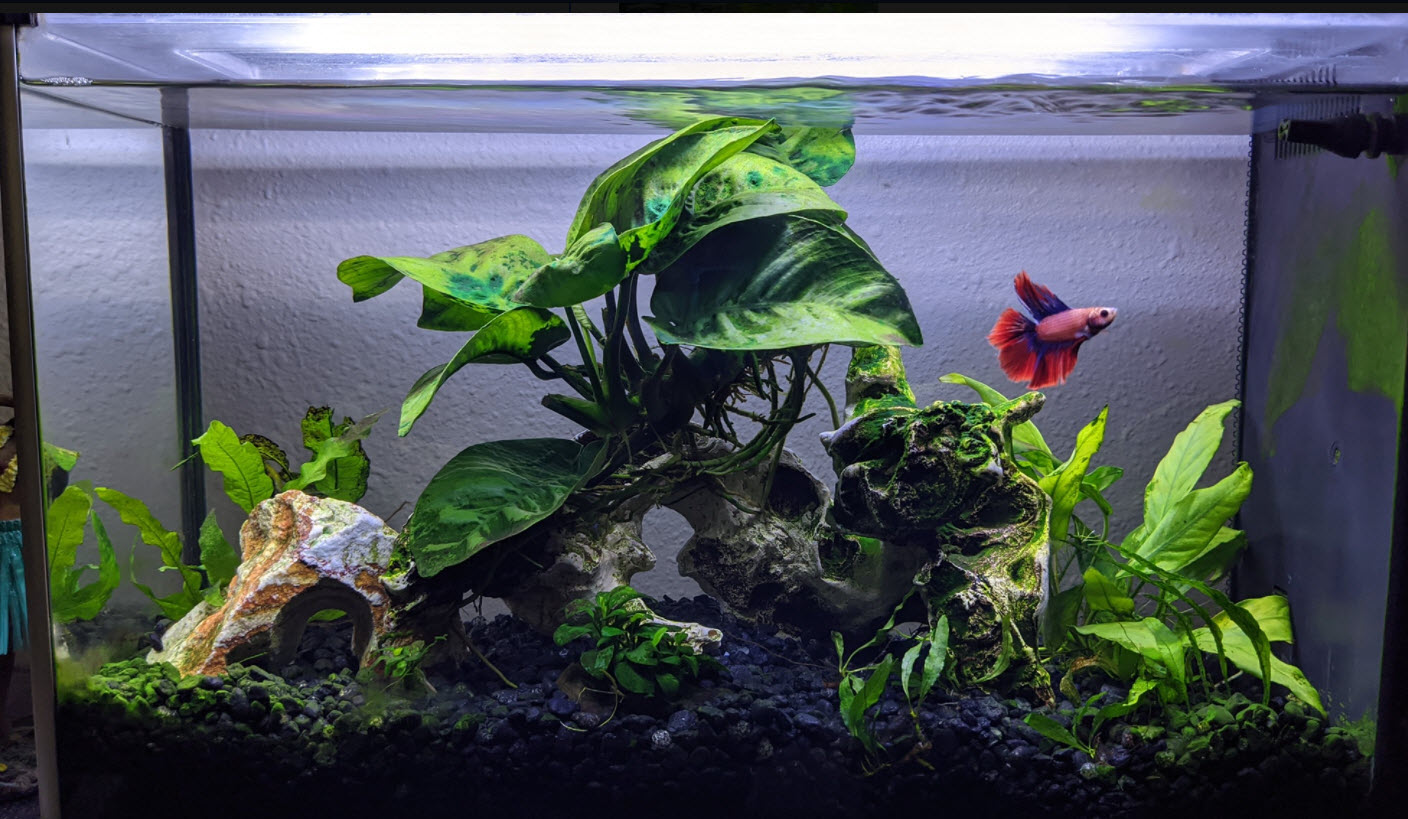
​Discover the truth about keeping bettas in aquariums. This article challenges common myths about tank size and care, offering evidence-based insights for both beginners and experienced aquarists. Learn how to provide optimal conditions for your betta fish and debunk widespread misconceptions.

Goldfish Care

17.5.4. Goldfish Care

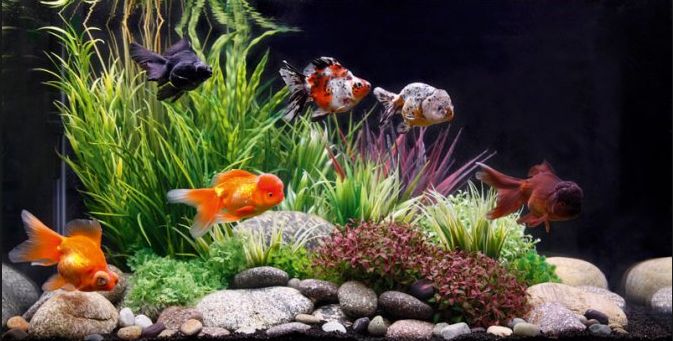
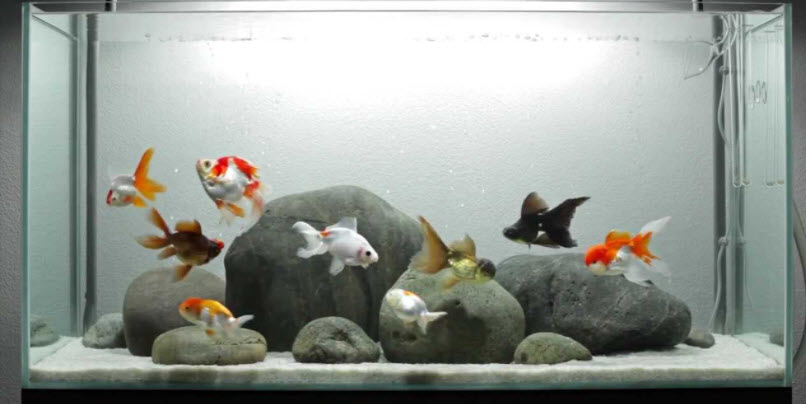
Goldfish care involves maintaining water quality through regular partial water changes and efficient filtration. A balanced diet of high-quality goldfish pellets is essential. Observe your fish for signs of illness, and provide appropriate treatment if needed. Regular tank cleaning and maintenance are crucial for a healthy environment. Appropriate tank mates should be considered.

Stocking Goldfish

17.5.3. Stocking Goldfish

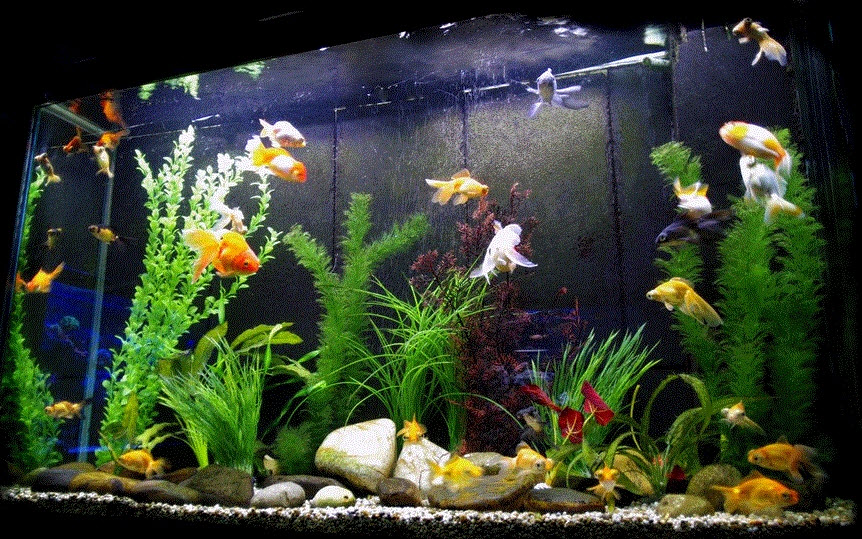
While larger tanks are always beneficial for goldfish, the claim that they *require* enormous aquariums is a misconception. Appropriate stocking density is key. Regular water changes and powerful filtration are crucial to compensate for smaller tank sizes. Overstocking leads to poor water quality and fish health problems.

Size of Goldfish

17.5.2. Size of Goldfish

Goldfish size depends on tank size and feeding. In small tanks, they remain smaller due to growth-inhibiting hormones, but this doesn’t harm them. Larger tanks allow for larger fish, reaching up to 7 inches in body length for common goldfish. Fancy goldfish remain smaller but fuller. Misinformation online exaggerates goldfish size and potential harm from stunting.

Types of Goldfish in the Aquarium

17.5.1. Types of Goldfish

This page discusses two main goldfish types: common goldfish (“narrow-bodied”), hardy and adaptable, and fancy goldfish (“wide-bodied” or “genetic dwarf”), more delicate and requiring specific conditions. Common goldfish are highly tolerant of poor water quality, while fancy goldfish are more susceptible to disease. Many variations exist between these two extremes, with varying care requirements.

Malawi Aquariums

17.4.1. Malawi Aquariums

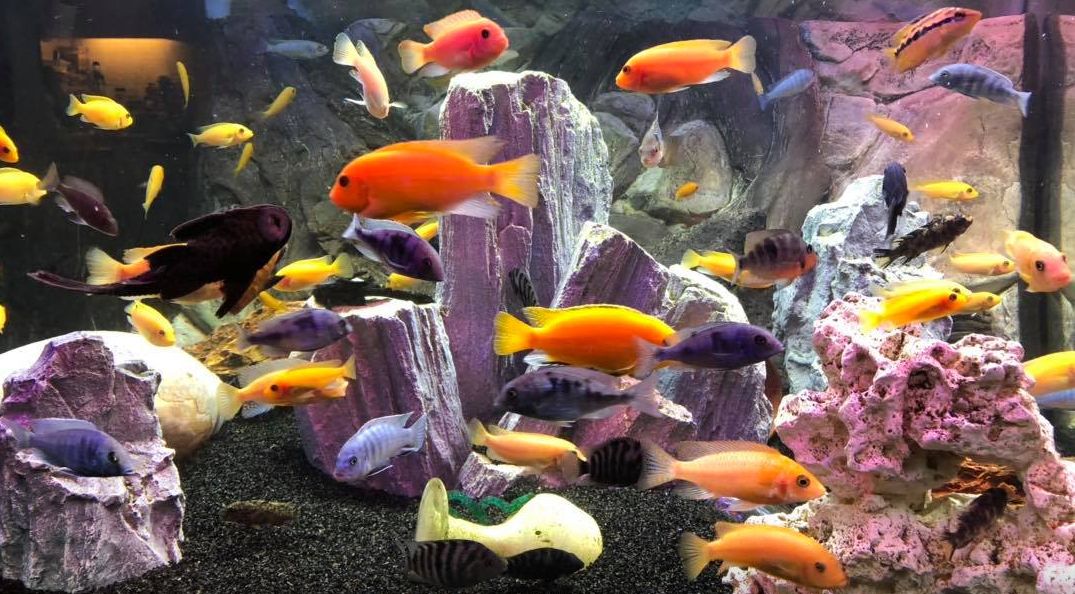
These are examples of Lake Malawi aquariums pulled off social media. Note that they are all heavily stocked. Heavy stocking is the key to keeping a good Lake Malawi aquarium.   

Lake Malawi Cichlids

17.4. Lake Malawi Cichlids

The article on Lake Malawi cichlids explores the vibrant and diverse species native to Lake Malawi. It provides insights into their unique behaviors, colorful appearances, and specific care requirements. The article emphasizes the importance of replicating their natural habitat in aquariums, including water conditions and tank setup, to ensure their health and well-being. By understanding these factors, aquarists can successfully maintain and enjoy these fascinating fish in a home aquarium setting.

Blackwater Biotope

17.2.1. Blackwater Biotope

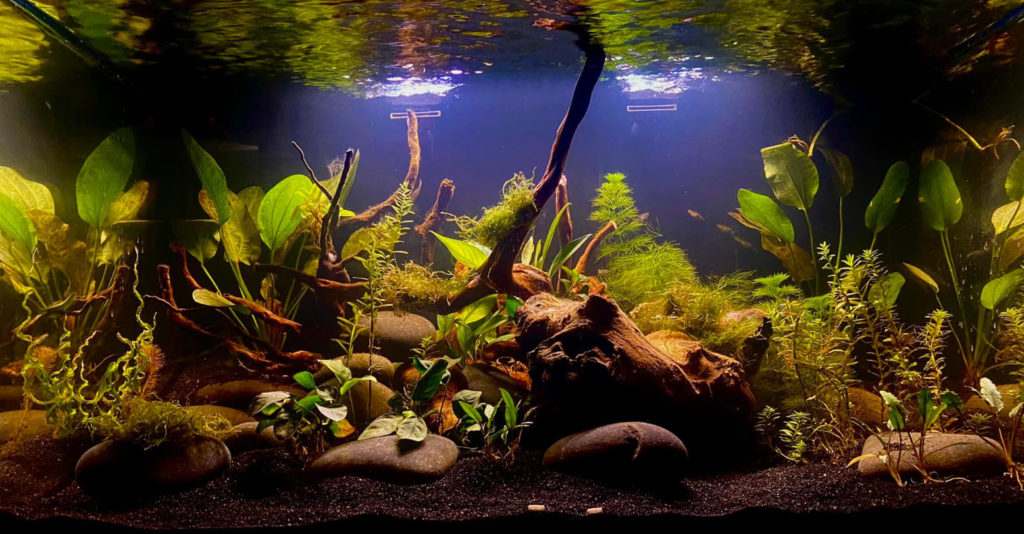
Creating a blackwater biotope aquarium involves replicating the unique conditions found in natural blackwater environments, characterized by soft, acidic water that is rich in organic materials. This type of aquarium typically features a dark, tea-like coloration due to humic substances, which are essential for mimicking the habitats of many tropical fish species. To achieve this, aquarists should start with reverse osmosis (RO) or distilled water, ensuring a total dissolved solids (TDS) level below 70 and a pH below 6.5. Incorporating materials like black peat can help introduce the necessary humic substances. Additionally, selecting appropriate fish and plants that thrive in these conditions is crucial for maintaining a balanced ecosystem. Regular monitoring of water parameters is essential to prevent fluctuations that could harm the delicate inhabitants of a blackwater biotope.

Searchfilter

zoekfilter