


Neolissochilus stracheyi – Blue Mahseer
Neolissochilus stracheyi was first described by Francis Day in 1871. This fish is a member of the family Cyprinidae, commonly known as the carp family. The Cyprinidae family includes approximately 300 genera and over 3,000 species. The common name for Neolissochilus stracheyi is the Blue Mahseer.
The genus name “Neolissochilus” is derived from Greek, where “neos” means new, “lissos” smooth, and “cheilos” lip. The species name “stracheyi” is a tribute to a person with the surname Strachey.
Synonyms: Barbus stracheyi, Labeobarbus stracheyi, Tor stracheyi.
Description
General description:
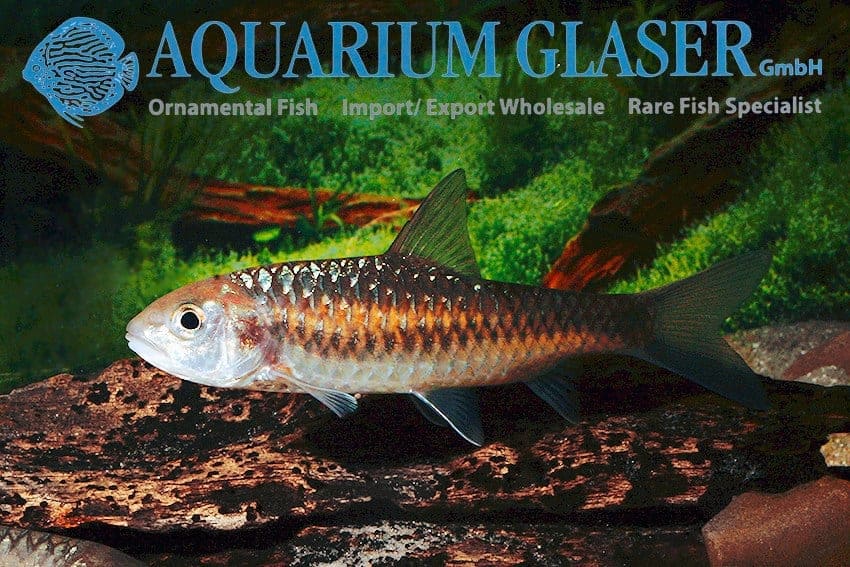
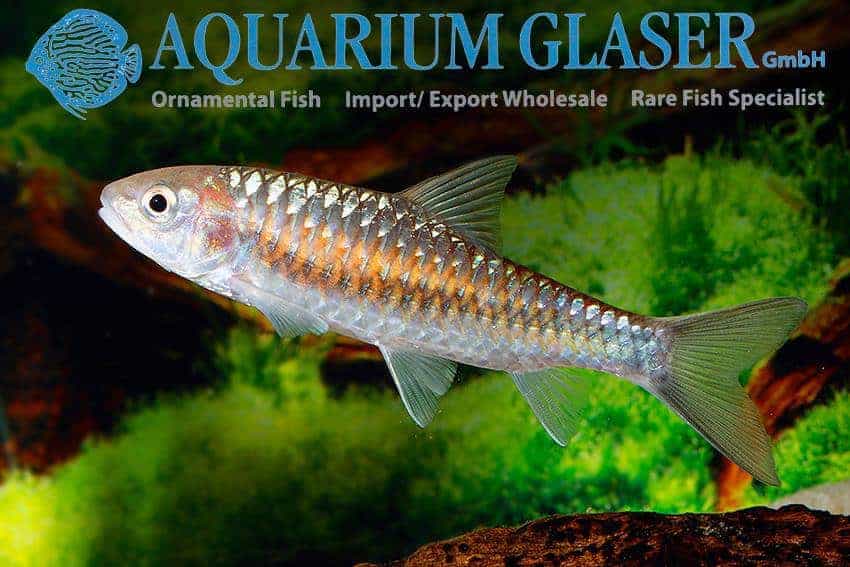
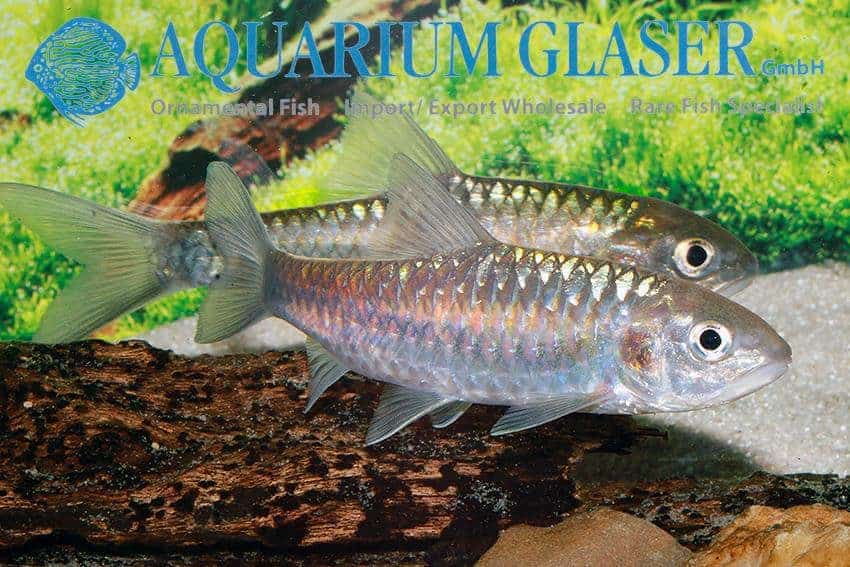
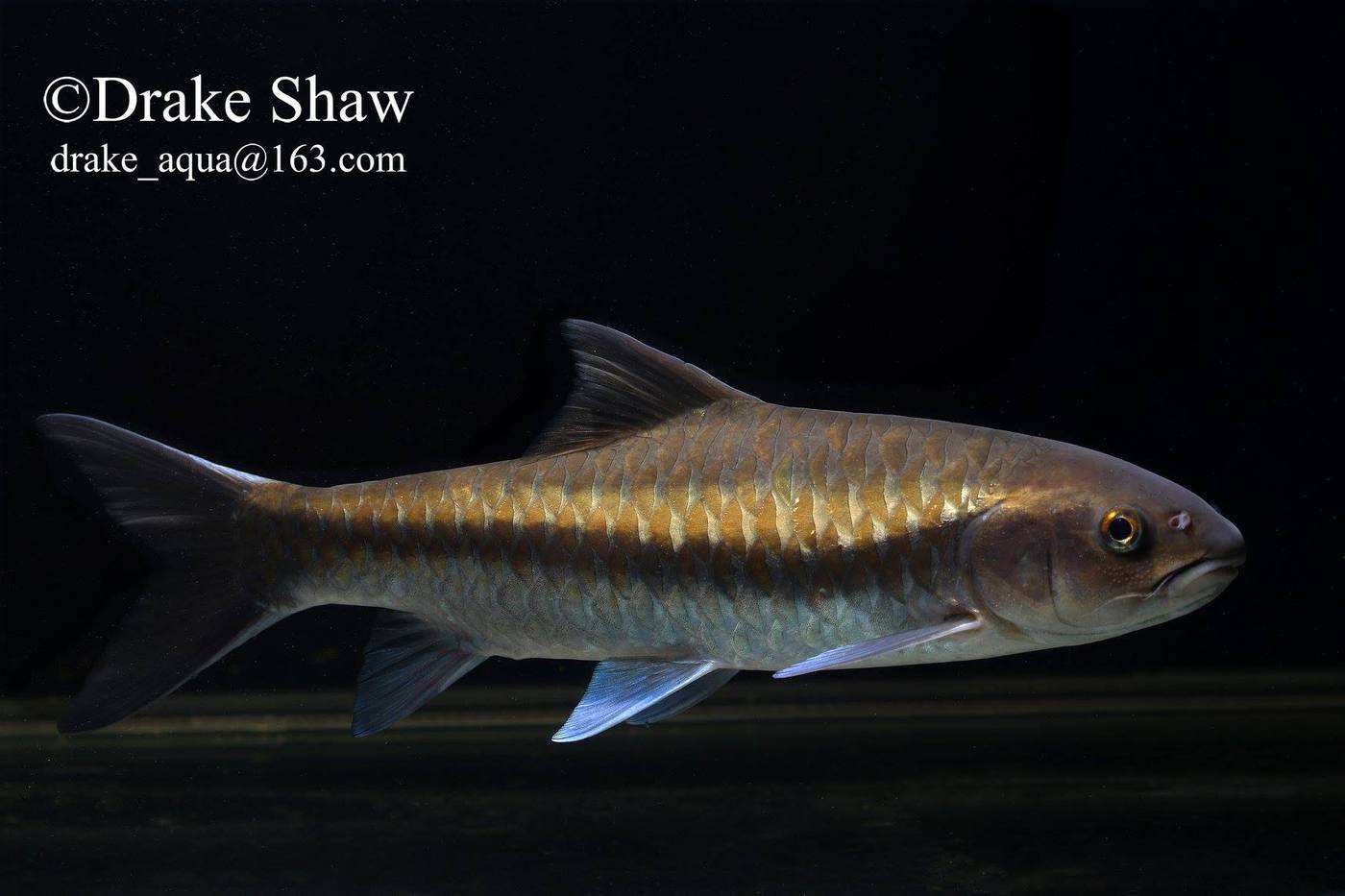
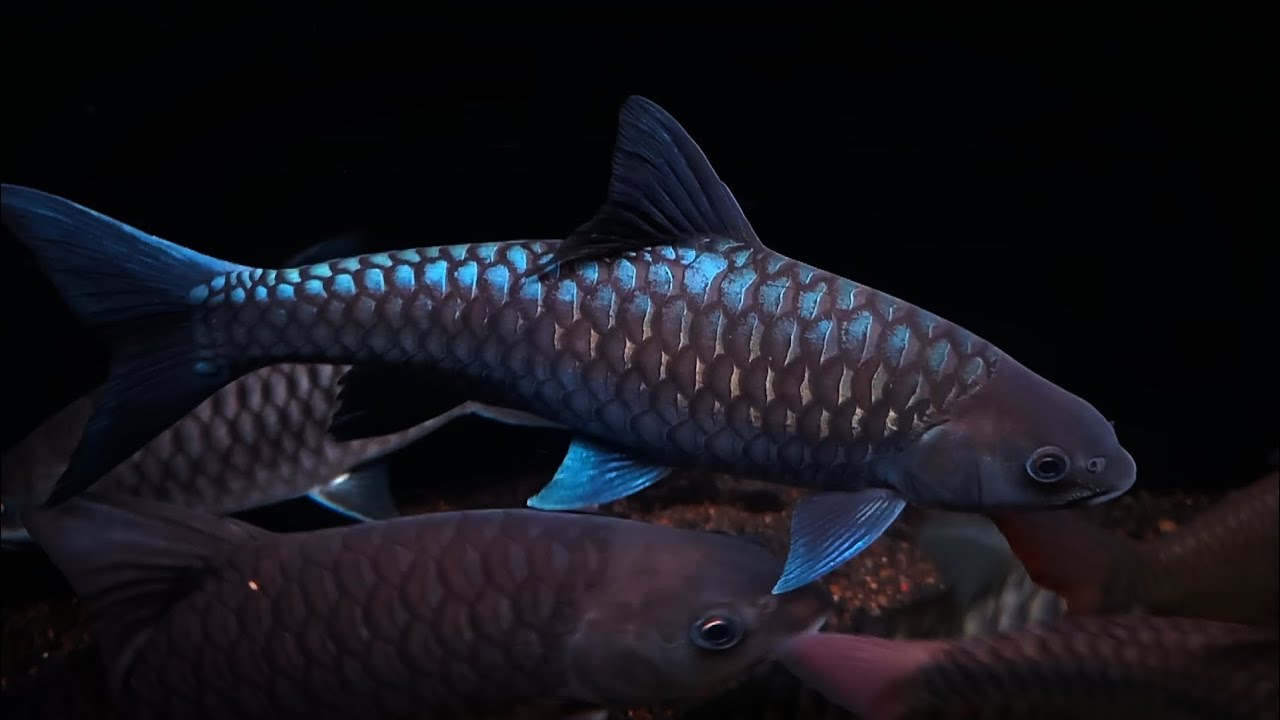
Neolissochilus stracheyi has a streamlined body characterized by a prominent snout and a forked caudal fin. Its head ranges in color from dark yellow to turquoise, while the flanks transition from dark gray on the back to light yellow above the lateral line, and gray-white on the belly. The scales exhibit a light yellow to silvery white appearance with black bases. The fins are dark gray, with a yellow tinge on the branched rays, but they can take on a light blue hue depending on the conditions. This fish can grow to a length of 60 to 90 centimeters and weigh between 9 and 14 kilograms.
Differences between males and females:
There are no specific physical differences between males and females described in the available sources. Behavioral differences are also not documented.
Behavior and Temperament:
Neolissochilus stracheyi is recognized for its vigorous and lively fight when caught by fishermen. These fish are generally peaceful and prefer to live in groups. They tend to be shy and favor well-protected areas in fast-flowing rivers and streams.
Biotope
Neolissochilus stracheyi is native to Myanmar, Thailand, Laos, and Vietnam. They live mainly in fast-flowing rivers and streams in the foothills and mountainous regions of the Himalayas. Their natural habitat consists of clear, oxygen-rich water with a rocky or gravelly bottom and abundant underwater vegetation.
Natural enemies:
There is no specific information about natural enemies, but they are hunters themselves, feeding on smaller fish, insects and crustaceans.
Climate:
They live in a seasonal climate with periods of flooding and drought, which influences their migratory behavior.
Diet
In the wild, Neolissochilus stracheyi feeds mainly on smaller fish, insects and crustaceans.
The Aquarium
Due to the maximum size of this fish species, it is not suitable for home aquariums. Young individuals are sometimes offered for sale when they display their most vibrant colors. However, these fish grow quickly to a size that is no longer manageable in a typical aquarium setting.
In the wild they are a popular species for sport fishermen.
Conclusion
Neolissochilus stracheyi, also known as the Blue Mahseer, is an impressive and powerful fish that poses a challenge to anglers, but is too large for the aquarium.
Video

Copyright images
AquariumGlaser.de – AquariumGlaser on Facebook
Drake Shaw – China Native Fish Export