


Microcanthus strigatus – Stripey
Microcanthus strigatus or Striped Bass is also called Stripey, Footballer or Convict Fish. This species was first described by the French zoologist Georges Cuvier in 1831. It belongs to the family Microcanthidae, commonly known as the Stripeys.
The genus name “Microcanthus” is derived from the Greek, where “micro” means small and “canthus” refers to an angle or corner, possibly referring to the small size of the fish and the angular pattern of its stripes. The species name strigatus is Latin for “striped,” which aptly describes the fish’s characteristic pattern of slanting black and yellow stripes.
The synonyms for this species are Chaetodon strigatus, Micrognathus strigatus, Therapaina strigatus, Microcanthus vittatus, Neochaetodon vittatus and Microcanthus hawaiiensis.
Description
General appearance
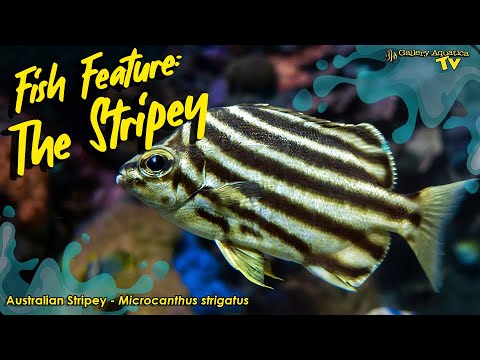
The Microcanthus strigatus is a ray-finned fish known for its striking appearance. It has a deep, compressed body with a rounded back, giving it a robust and compact look. The body features an eye-catching pattern of oblique black and yellow stripes, which can sometimes appear white. These stripes extend to the dorsal and anal fins, enhancing the fish’s lively appearance. A prominent black stripe runs from the forehead to just behind the eye. The fins are typically yellow or light brown. The Stripey can grow to a length of up to 16 centimeters.
Differences between males and females
There is currently no detailed information regarding the physical differences between male and female Microcanthus strigatus. Generally, males and females of many fish species can look quite similar, and any distinctions that do exist may be subtle or more related to their behavior than to physical traits.
Differences between juveniles and adults
Juvenile Stripeys are often found in tidal pools, while adults are more commonly seen around man-made structures such as piers and harbor walls. This suggests a difference in habitat preference between juveniles and adults. However, the documents do not specify clear physical differences between these life stages.
Behavior and temperament
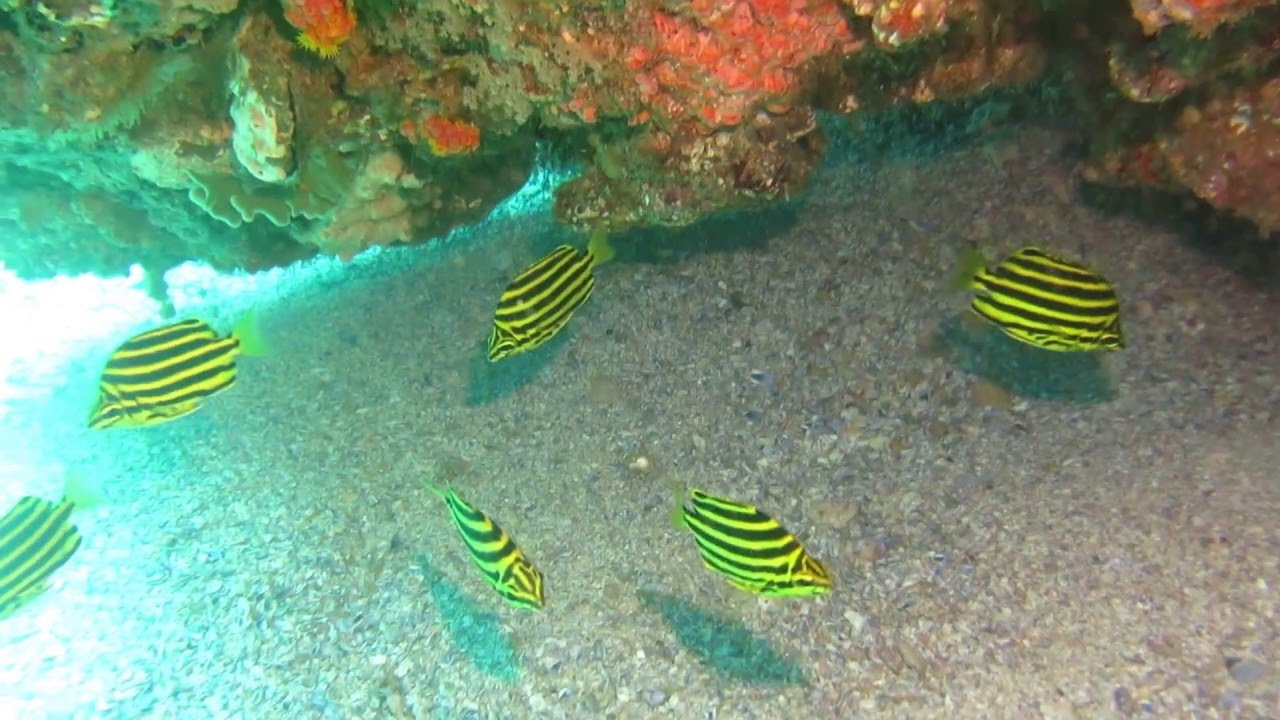
Microcanthus strigatus is known for its peaceful temperament. These fish are not aggressive and are generally considered peaceful aquarium inhabitants. They do best in groups, often forming dense schools during the day, hiding under ledges and in caves. Stripeys are not shy and are known to be active swimmers, typically found in midwater rather than on the bottom.

Biotope
Natural distribution and ecosystems
Microcanthus strigatus is found in the Pacific Ocean. It has a disjunct distribution with populations in both the Northern and Southern Hemispheres. The northern population ranges from Japan and Taiwan to Hawaii. In contrast, the southern population is found along the east and west coasts of Australia, around Lord Howe Island, and off the coast of New Caledonia.
Habitat
The Stripey fish inhabits coastal and lagoon reefs, where it often forms dense schools during the day. These schools typically seek refuge under ledges and in caves. The natural habitat of the Stripey is characterized by rocky and coral reefs that offer plenty of hiding spots and feeding grounds. The substrate in these areas generally consists of coral rubble and rocky outcrops, which support a diverse array of marine life.
Behavior and predation
In terms of predators, available information does not provide specific information on the Stripey’s predators. However, given its coral reef habitat, it is likely that the Stripey faces predation from larger reef fish and possibly seabirds. The Stripey is not a top predator; it feeds on small crustaceans and algae.

Diet
Natural diet
In the wild, Microcanthus strigatus feeds primarily on small crustaceans and algae. This diet includes various types of zooplankton and small invertebrates, which are abundant in their natural reef habitats.
Aquarium diet
In an aquarium, the Stripey can be fed a varied diet that mimics its natural food sources. This includes:
- Macroalgae and microalgae: such as seaweed and spirulina.
- Small crustaceans: including krill, mysis and artemia.
- Zooplankton: such as cyclops and pods.
- Prepared foods: They can also accept frozen and freeze-dried foods containing algae and vitamin-enriched frozen mysis and brine shrimp.
- Glass anemones: young animals up to eight to nine centimeters eat glass anemones.
Reef safety
The Stripey is considered “reef safe with caution.” While they are generally peaceful and can be kept in tanks with fish or certain types of corals, they may pick at large polyp stony corals (LPS) and soft corals. Therefore, it is advisable to closely monitor their behavior if you plan to keep them in a reef tank to ensure they do not harm the corals. After reaching a length of about 3 to 3.5 inches, they will begin to feed more frequently on coral. It is best to move them to a tank without coral if possible.
In summary, the Stripey has a relatively easy diet to reproduce in captivity, making it a suitable candidate for aquariums, provided its potential impact on certain coral species is carefully managed.
The aquarium
Aquarium size
For keeping Microcanthus strigatus, a minimum aquarium size of 800 liters is recommended. If you plan to keep multiple pairs, the aquarium should be larger to accommodate their schooling nature and provide ample swimming space.
The Aquarium
The aquarium should have enough rock and coral structures to mimic their natural habitat, which consists of rock and coral reefs. These structures provide hiding places and help the fish feel safe. The substrate can consist of sand or fine gravel, suitable for a reef environment.
Water parameters
The ideal water parameters for the Stripey in an aquarium include a temperature range of 22-26°C, a pH level of 8.0-8.5, and a specific gravity of 1.020-1.025. These conditions closely resemble their natural marine environment, supporting their health and well-being.
Introduction to the aquarium
It is best to introduce the Stripey to a mature aquarium that has been set up long enough for algae to grow. This maturity provides a stable environment and provides natural food sources, such as algae, which are part of their diet.
Suitable tankmates
The Stripey is a peaceful fish and can be kept with other non-aggressive species. Suitable tank mates include other peaceful marine fish such as clownfish, gobies, and blennies. However, care should be taken when keeping them with large polyp stony corals (LPS) and soft corals, as they may peck at these.
In summary, the Stripey requires a spacious, well-established aquarium with stable water conditions and should be introduced into an adult setup. They are compatible with a variety of peaceful marine fish, making them a versatile addition to a community tank.

Breeding in the aquarium
Although not a common practice, Microcanthus strigatus has been bred in captivity. The available information does not specify whether a regular or special breeding tank was used to breed this species.
Special features
Microcanthus strigatus exhibits several unique characteristics that set it apart from other fish species. Here are some notable features:
- Distinctive Appearance: The Stripey is easily recognized by its deep, compressed body and the striking pattern of diagonal black and yellow stripes that sometimes appear white. These stripes extend to the dorsal and anal fins, and a black stripe runs from the forehead to just behind the eye.
- Habitat Versatility: This species is found in a variety of habitats, including rocky and coral reefs, protected coastal waters, and estuarine environments. Juveniles are often seen in rock pools, while adults may inhabit areas around man-made structures such as piers and harbor walls.
- Feeding Habits: The Stripey is an omnivorous species that primarily feeds on small crustaceans and algae in its natural habitat. In captivity, it can be trained to accept a diverse range of foods, including frozen and freeze-dried algae products, as well as vitamin-enriched mysis and brine shrimp.
- Reef Compatibility: Although the Stripey is generally peaceful and can only be kept in tanks with fish or certain corals, it is considered “reef safe with caution”. It can pick on large polyp stony corals (LPS) and soft corals, so careful monitoring is advised when keeping them in a reef tank.
- Schooling: The Stripey thrives in groups, often forming dense schools during the day. This schooling is a natural defense mechanism and helps them find food more efficiently.
- Breeding Challenges: Captive breeding of the Stripey is possible, but uncommon. The papers suggest that while breeding is feasible, the number of offspring is insufficient to meet trade demand. This emphasizes the importance of breeding efforts to preserve natural stocks.
- Geographic Distribution: The Stripey has a disjunct distribution, with populations in both the Northern and Southern Hemispheres. This includes regions such as Japan, Taiwan, Hawaii, and parts of Australia.
These characteristics make the Stripey a fascinating species for marine biologists and aquarists, offering unique challenges and rewards in care and observation.
Video
Author
John de Lange
Copyright images
John Turnbull – CC BY – NC-SA 2.0
Richard Ling – www.rling.com

