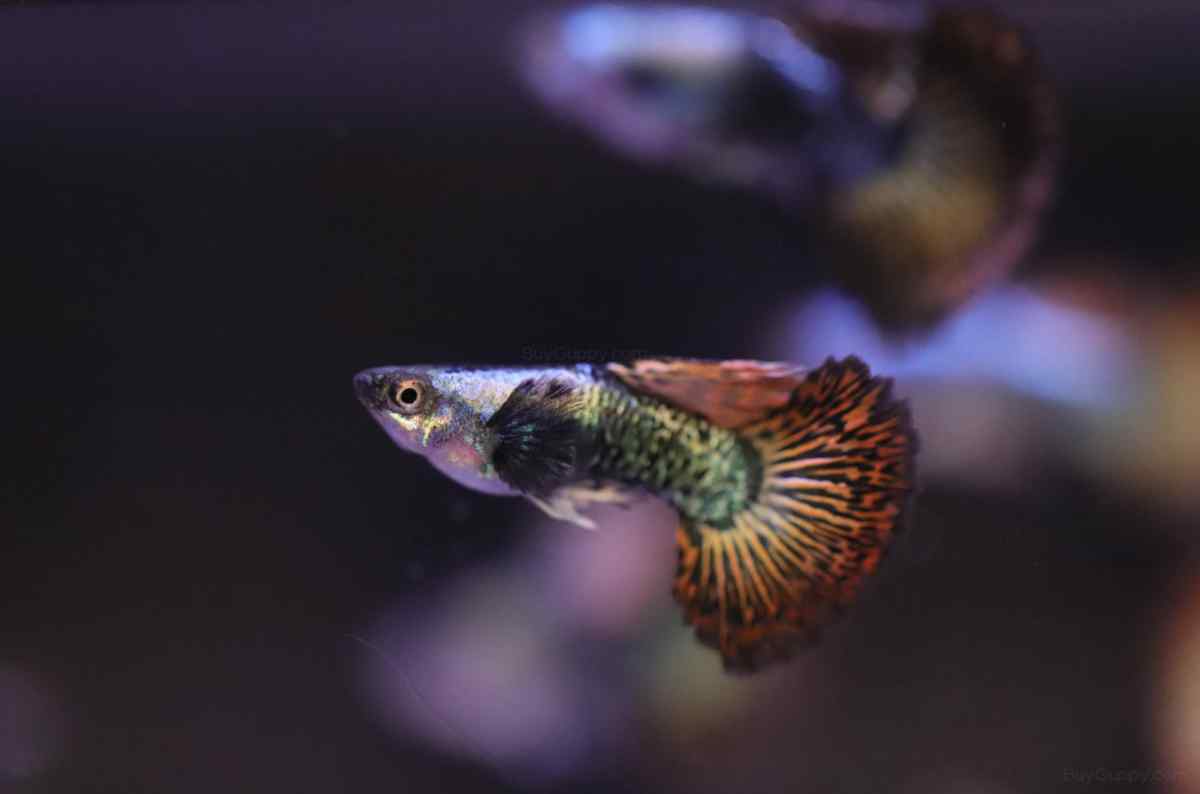
Guppy fish are one of the most popular and beginner-friendly aquarium pets. These little swimmers are famous for their bright colors, fancy tails, and playful personalities. Whether you’re setting up your first fish tank or adding guppies to an existing community, caring for them is fun and easy with the right know-how. In this casual guide, we’ll cover all the basics – from choosing a tank and feeding, to cleaning, understanding guppy behavior, and even a bit about breeding. By the end, you’ll be ready to keep your guppies happy and healthy in their new home. (Tip: Guppies breed so easily that they’re nicknamed “millionfish,” so get ready for a lively tank!)
Choosing the Right Tank for Guppies
Even though guppies are small (around 2 inches full-grown), they still appreciate some space to swim. A good rule of thumb is to have about a 5-gallon aquarium for a single guppy, plus 2 additional gallons for each extra guppy. In practical terms, a small group of three guppies would do best in roughly a 10-gallon tank so they have room to explore. Bigger is always better – larger tanks are more stable and give your fish more room to thrive. Make sure the tank has a secure lid because guppies are surprisingly good jumpers (they can leap up to seven times their body length!).
Since guppies are tropical fish, you’ll need a heater to keep the water in the comfortable range of about 75–80°F (24–27°C). A gentle filter is also important to keep the water clean and oxygenated – just ensure the intake isn’t so strong that it could suck up baby guppies (if you plan to breed them later). Adding some aquatic plants or decorations is a great idea, as guppies love having places to hide and explore. Plus, plants like java moss or guppy grass give baby fry safe spots to hide and make the tank look more natural. Once your tank is all set up, you can find pet stores or online shops with guppies for sale to start populating your aquarium with these colorful little fish!
Feeding Your Guppies
Guppies aren’t picky eaters at all – in fact, they’ll gladly eat just about anything that fits in their mouths. A quality flake or pellet food made for tropical fish is a staple diet for them. Feed your guppies once or twice a day, giving only as much as they can finish in about a minute. They have tiny stomachs, so small frequent feedings are better than a big dump of food. (Don’t be fooled if they beg for more – guppies are notorious beggars, but overfeeding can mess up your water quality and their health!). For variety and extra nutrition, you can occasionally treat your guppies to freeze-dried or frozen foods like brine shrimp, daphnia, or bloodworms. Just remember to thaw frozen foods before serving, and never give them something too large to swallow. A varied diet will keep your guppies vibrant and active. You’ll even notice them nibbling on soft algae or biofilm in the tank, which is normal – they’re helping with a bit of tank clean-up while snacking! Always remove any uneaten food after a feeding session so it doesn’t foul the water.
Cleaning and Tank Maintenance

Keeping the aquarium clean is key to happy, healthy guppies. The good news is it doesn’t take much time – a few minutes each week will do the trick. Plan to do a partial water change regularly, about 10–25% of the tank’s water every week or two. This refreshes the water and removes waste buildup without shocking the fish. Always use dechlorinated water (treated tap water) that’s the same temperature as the tank when you add it. In between water changes, use a small net or siphon to remove uneaten food and visible debris daily so it doesn’t decompose in the tank.
Avoid the temptation to tear down the whole tank for cleaning – never change all the water at once, as this removes beneficial bacteria that help break down waste. Instead, gently wipe down glass for algae, rinse the filter media in old tank water if it’s clogged (don’t use soap or tap water on filter sponges), and vacuum the gravel occasionally to pick up fish poop. With these simple chores, your guppy aquarium will stay crystal clear and low-odor. A clean tank also means stable water parameters, which translates to less stress and disease for your fish.
Understanding Guppy Behavior
One of the joys of keeping guppies is watching their cute and quirky behavior. Guppies are very social fish, so always keep them in groups of at least three – a solo guppy can become lonely or stressed. In groups, they’ll play and chase each other in a friendly way. You’ll notice they spend most of their time swimming in the upper and middle parts of the tank, often darting to the surface when they sense it’s feeding time. It’s normal for guppies to come up to the front glass whenever you approach – they’re either curious or hoping you have food!
Males and females have a bit of different behavior. Male guppies (usually the smaller, more colorful ones) love to show off – you might see them flaring their fins and dancing around females. Females are larger and less flashy, and they tend to be calmer. If you keep both sexes, you’ll see males frequently chasing females to mate. To keep things peaceful, it’s recommended to have 2–3 females for every male so no single female gets harassed too much. Overall, guppies are peaceful community fish that get along with other non-aggressive species. They can be great tank mates with other small fishes like mollies, platies, tetras, or cory catfish. Just avoid big aggressive fish (like large cichlids or tiger barbs) that might nip at your guppies’ beautiful tails. By observing your guppies each day, you’ll quickly learn their normal antics and can spot if any fish seems stressed or sick (hiding all the time, clamped fins, or not eating – those are signs to check your water or fish health).
Breeding Basics for Guppies

One of the coolest things about guppies is how easy they are to breed – often, you don’t even have to try! Guppies are livebearers, which means the females give birth to live baby fish (called fry) rather than laying eggs. If you have male and female guppies together, chances are you’ll start seeing little fry in your tank after a few weeks. A female guppy’s pregnancy lasts around 21–30 days on average, and each time she can have anywhere from a handful to dozens of babies. (No wonder guppies multiply so fast.) In fact, this is why they’re jokingly known as “millionfish.”
For controlled breeding, it helps to set up a plan. Keep the ideal ratio of one male to 2-3 females so the males don’t overwhelm the females with constant mating attempts. You’ll notice a dark “gravid spot” near the back of a pregnant female’s belly – as it enlarges and darkens, she’s getting closer to giving birth. When fry are born, adult guppies might mistake them for food. To protect the babies, provide lots of hiding places like thick plants (e.g. java moss, hornwort) or breeding grass where tiny fry can escape predation. Some breeders even move an expecting mother to a separate breeding box or nursery tank until she gives birth, then return her to the main tank after.
Baby guppies will instinctively swim and hunt for food as soon as they’re born. If you want to raise the fry, feed them infusoria (tiny plankton) or finely crushed flakes several times a day. They grow fast! Within a couple of months, they’ll start showing their colors and you can decide which ones to keep or perhaps share with friends. (Be careful – you might end up with more guppies than you bargained for.) If you ever want to add new bloodlines or fancy varieties, you can always buy fancy guppies from reputable sellers to mix into your guppy family.
Conclusion
Caring for guppy fish is a rewarding hobby that’s perfect for beginners. With a proper tank, balanced feeding, regular cleaning, and a little attention to their social behavior, your guppies will thrive and entertain you with their playful nature. Before you know it, you might even have a tank full of baby guppies to raise! Enjoy your guppy-keeping journey – these friendly, colorful fish are sure to bring a splash of joy to your home aquarium.
Sources:
Aquarium Co-Op – Care Guide for Guppies – The Most Popular and Colorful Livebearer (recommended tank size, feeding frequency, breeding tips).
PetMD – Guppy Fish Care Sheet (tank size guidelines, social group size, male-to-female ratio, jumping behavior).
PetMD – Guppy Fish Care Sheet (cleaning and maintenance: partial water changes, removing uneaten food, avoiding full water changes).
Wikipedia – Guppy (Poecilia reticulata) information (breeding facts: gestation period ~4 weeks, fry count range).